London, Ontario is full of beautiful century homes and mid-century bungalows. While the crown moulding and original hardwood are selling points, the wiring hidden behind the lath and plaster tells a different story. Many buyers assume a standard home inspection covers everything. However, a generalist might miss the nuances of deteriorating insulation or bootleg grounds.
An electrical inspection older home buyers invest in early can be the difference between a dream home and a financial nightmare. You are not just checking if the lights turn on. You are verifying if the system can support a 21st-century lifestyle without over-heating or sparking a fire.
The Insurance Hurdle: Why Your Policy Depends on Your Pipes
One of the biggest shocks for new buyers happens three days before closing. Your insurance broker calls to say they cannot find a provider because the house has knob and tube wiring. This is a common “Insurance Hurdle” in Southwestern Ontario. Insurers view old wiring as an unacceptable fire risk because it lacks a grounding wire and the cloth insulation becomes brittle over time.
A licensed electrical contractor London ON can provide a formal letter of inspection that either clears the home or provides a roadmap for remediation. Without this professional sign-off, you might find yourself with a house you cannot legally insure or mortgage.
Identifying Knob and Tube Wiring
Knob and tube was the standard from the late 1800s until the 1940s. It uses porcelain “knobs” to hold wires in place and “tubes” to protect them when passing through wood joists. While the copper itself is often fine, the system was designed for a world before hair dryers, microwaves, and gaming computers.
Problems arise when homeowners bury this wiring under modern spray-foam or fiberglass insulation. Knob and tube requires air space to dissipate heat. When you trap that heat, the insulation breaks down and creates a fire hazard. During an inspection, we look in the attic and basement to see if any of these circuits remain active or if they have been improperly spliced into newer Romex wiring.
The 1970s Aluminum Wiring Challenge
If the home was built or renovated between the mid-1960s and late 1970s, it likely contains aluminum wiring. Aluminum is a capable conductor but it expands and contracts more than copper when under load. This movement causes connections at outlets and switches to loosen, leading to arcing and localized heat buildup.
Many insurance companies require all aluminum connections to be “pigtailed” with copper using specific connectors and antioxidant paste. An inspector will check the electrical panel and open a representative sample of outlets to confirm the home is safe. Addressing this early prevents the “Surprise Expense” fear of having to open every wall in the house after you have already painted.
Modern Load Demands and the 60-Amp Limit
Older homes often come with a 60-amp or 100-amp electrical service. In the 1950s, this was plenty of power for a fridge and a few lamps. Today, we have high-efficiency HVAC systems, electric ovens, and increasingly, electric vehicle (EV) charging stations.
If you plan to live an energy-efficient life by installing heat pumps or induction stoves, a 60-amp service will not cut it. You will likely face frequent breaker trips or blown fuses. During your inspection, we evaluate the service entrance and the main panel to see if it can handle your specific power needs. Upgrading to a 200-amp panel is a common necessity for modern families.
The Dangers of Ungrounded Outlets
In many homes built before the 1960s, you will find two-prong outlets. These lack a dedicated grounding wire. This is a major safety concern for modern electronics. If a surge occurs or a wire frays inside an appliance, the ground wire provides a safe path for electricity to travel. Without it, that electricity could travel through you.
Simply swapping a two-prong outlet for a three-prong outlet without adding a ground wire—often called a “bootleg ground”—is illegal and dangerous. It gives a false sense of security. Our team checks for proper grounding throughout the home to ensure your expensive tech stays protected.
The Panel: Fuses vs. Breakers
Does the basement have a fuse box with those glass screw-in plugs? While fuses are technically safe when used correctly, they are easily tampered with. We often see homeowners put a 20-amp fuse into a 15-amp slot to stop it from blowing, which allows the wires to overheat.
Modern circuit breakers are much more reliable. If the home you are eyeing still uses fuses, your insurance company will likely demand a panel upgrade within 30 to 60 days of closing. Getting an estimate for electrical repairs during your inspection period allows you to negotiate the sale price or have the seller fix the issue before you take possession.
GFCIs and Water Proximity
Safety codes require Ground Fault Circuit Interrupters (GFCIs) in kitchens, bathrooms, and outdoor areas. These devices shut off power in milliseconds if they detect moisture or a short circuit. Older homes are frequently missing these crucial life-saving devices.
An inspector will test every outlet near a water source. If the “Test” and “Reset” buttons are missing or non-functional, it is a sign that the electrical system hasn’t been updated in decades. These are small fixes, but they indicate how well the previous owner maintained the home’s infrastructure.
The Value of a Specialized Electrical Inspection
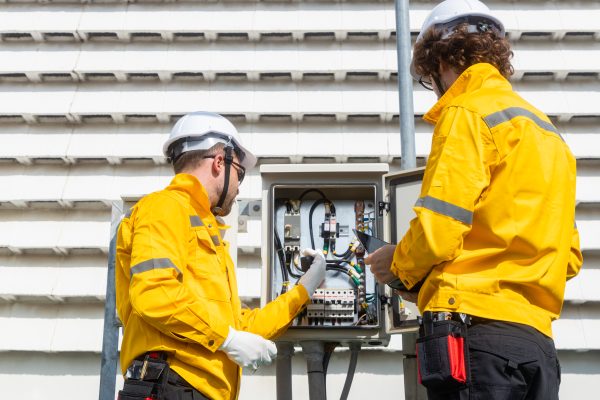
A standard home inspector uses a plug-in tester to see if outlets work. A licensed electrical inspection goes much further. We remove the panel cover to look for double-tapped breakers, charred wires, or signs of water ingress. We use thermal imaging to find “hot spots” behind walls that the naked eye cannot see.
This depth of analysis removes the guesswork. You move from a state of anxiety to a state of clarity. You will know exactly what needs to be fixed immediately and what can wait for a future renovation.
Managing the Surprise Expense Fear
The most stressful part of buying a house is the unknown. You have already stretched your budget for the down payment and closing costs. Discovering a $12,000 rewiring job two weeks after move-in can be devastating.
By identifying these issues during the conditional offer phase, you can obtain firm quotes. You might ask the seller to credit the cost of a panel upgrade or a full aluminum pigtailing service. This turns a potential deal-breaker into a manageable part of the negotiation.
Why Choose J.D. Patrick Electric?
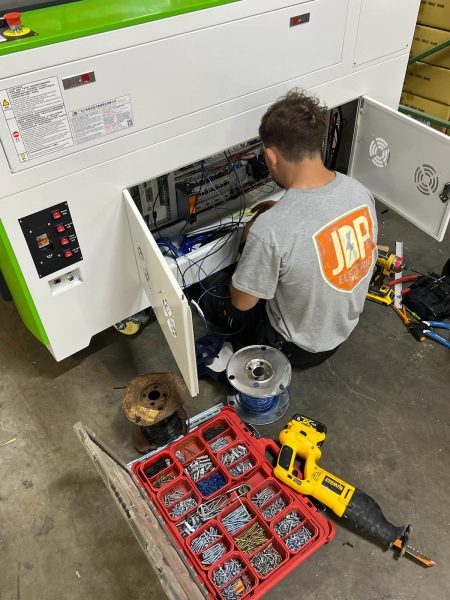
As a Licensed Electrical Contractor (LEC) in London, Ontario, we understand the specific requirements of local utilities and the ESA. We don’t just find problems; we provide solutions that keep your family safe and your insurance company happy. Whether it is a quick pigtailing job or a full home rewire, we bring professional expertise to every heritage property.
Don’t let your “new” old home become a safety hazard. Ensure your investment is sound from the inside out with a professional assessment that satisfies both your peace of mind and your insurance provider.
Ready to move forward with confidence?
Contact J.D. Patrick Electric at (519) 615-4228 or fill out our online contact form to schedule a specialized inspection before you close the deal. We provide the documentation you need to secure insurance and protect your home.
FAQs
How much does an electrical inspection cost for an older home? In London, Ontario, a professional electrical inspection typically ranges from $200 to $500 depending on the size of the home. This is a small price to pay compared to the thousands of dollars in hidden repairs it can uncover.
Can I buy a house with knob and tube wiring? Yes, but you will likely struggle to find traditional home insurance. Most buyers negotiate for the seller to remove the knob and tube or secure a quote to have it replaced immediately after closing to satisfy insurance requirements.
Is aluminum wiring illegal in Ontario? No, aluminum wiring is not illegal, but it must be properly maintained. The Electrical Safety Authority (ESA) recognizes it as a permanent wiring method, provided connections are made with approved materials to prevent overheating.
How do I know if my electrical panel is big enough? If you have a 100-amp panel and want to add an EV charger, a hot tub, or a suite with a second kitchen, you will likely need an upgrade. A load calculation by a licensed electrician is the only way to be certain.