
Many homeowners in London, Ontario, discover they have aluminum wiring at the worst possible time. It often happens during a home purchase or a standard insurance renewal. You receive a letter stating your policy is at risk unless you provide an ESA certificate within 30 days. This creates an immediate “Insurance Deadline” that can feel overwhelming.
Between the mid-1960s and late 1970s, aluminum was a common choice for residential branch circuit wiring because copper prices were high. While aluminum conducts electricity well, it has physical properties that differ from copper. If these differences aren’t managed by a professional, they lead to overheating and fire hazards. This is why insurers are so strict about documentation.
Addressing Safety Skepticism: Is Aluminum Really Dangerous?
You might wonder why your house has been fine for fifty years if the wiring is a “ticking time bomb.” The truth is more nuanced. Aluminum is not inherently prone to catching fire, but the way it interacts with standard outlets and switches is the problem.
Aluminum expands and contracts significantly when electricity flows through it. This is called thermal expansion. Over decades, this constant movement loosens the screws at your outlets and switches. When a connection is loose, electricity jumps across the gap, creating an “arc.” This arc generates intense heat that can melt wire insulation and ignite the wood studs inside your walls.
Furthermore, aluminum oxidizes. When exposed to air, it develops a thin layer of “rust” that acts as an insulator rather than a conductor. This resistance creates even more heat. Most homeowners only notice the problem when they see flickering lights or smell a faint “fishy” or burning plastic scent near a wall.
The Fear of the “Gut” Job: Why a Rewire Isn’t Always Necessary
When a homeowner hears they have a wiring issue, the first fear is the cost. You might picture workers tearing down every sheet of drywall in your home to pull new copper lines. This “Gut Job” can cost upwards of $20,000 for a standard bungalow.
Fortunately, most insurance companies in Ontario accept a process called “remediation” or “pigtailing.” This method allows you to keep the existing aluminum wiring inside the walls while making the connections safe. As a licensed electrical contractor London ON, we help homeowners avoid unnecessary demolition by focusing on where the danger actually exists: the connection points.
What is Pigtailing?
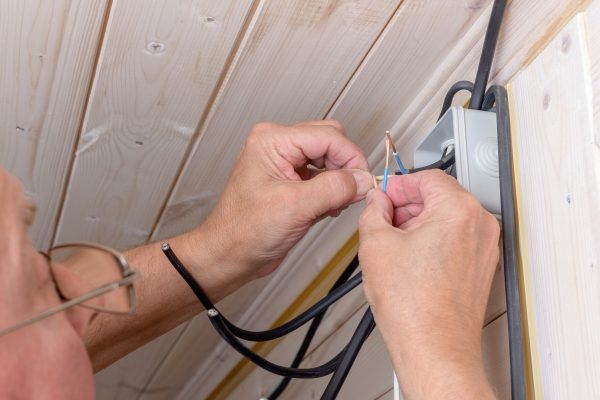
Pigtailing is the process of joining a short piece of copper wire (the “pigtail”) to the existing aluminum wire. This is done using a specialized, pressure-rated connector and an antioxidant paste that prevents oxidation. The copper end is then attached to your outlet or switch.
Since the final connection to the device is copper, the risk of thermal expansion loosening the screw is eliminated. However, you cannot just use a standard wire nut from a hardware store. Many DIY attempts actually make the problem worse because standard “marrettes” are not rated for the specific chemical reaction between these two metals.
The Correct Way to Pigtail: AlumiConn vs. CO/ALR
There are two main ways to satisfy an insurance company. The first is using CO/ALR rated devices. These are specific outlets and switches designed to handle aluminum wire directly. While effective, these devices are expensive and limited in style.
The second and most popular method is using AlumiConn connectors. These are small lugs that mechanically separate the copper and aluminum wires, ensuring a permanent and safe bond. Insurance companies prefer this method because it is a “set it and forget it” solution. When we perform electrical repairs involving aluminum, we provide the specific documentation your insurer needs to see that these approved methods were used.
Understanding Your Electricity Bill and Infrastructure
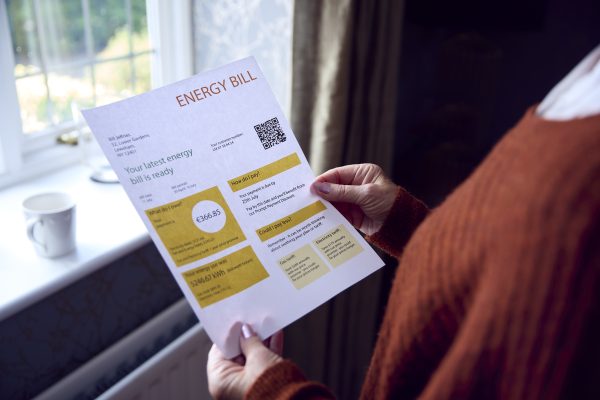
Maintaining your home’s electrical health isn’t just about insurance; it’s about efficiency. When connections are loose or oxidized, your system works harder, which can subtly impact your energy usage. You can read more about electricity bills and how to save to see how infrastructure affects your monthly costs.
A healthy electrical system ensures that you aren’t losing energy to heat at connection points. While a remediation project has an upfront cost, it ensures the longevity of your home’s devices and prevents the catastrophic cost of a house fire.
The Step-by-Step Insurance Approval Process
If your insurance company has flagged your home, do not wait until the 29th day to act. The process for aluminum wiring insurance Ontario approval follows a specific path:
- Initial Assessment: We visit the home to identify the extent of the aluminum wiring. Some homes are “mixed,” with copper in the kitchen and aluminum in the bedrooms.
- The Remediation Plan: We provide a quote for pigtailing every active outlet, switch, and light fixture on an aluminum circuit.
- ESA Permitting: We pull a permit with the Electrical Safety Authority. This is non-negotiable. An inspection without a permit is not valid for insurance purposes.
- The Work: Our team installs the approved connectors at every junction box in the house.
- ESA Inspection: An ESA inspector visits to verify our work. Once they approve, they issue a “Certificate of Acceptance.”
- Insurance Submission: You forward that certificate to your broker, and your coverage is secured.
Addressing Modern Load Demands
Many homes built in the 70s have 100-amp panels. While we are pigtailing your circuits, we often check if the panel itself is overloaded. With modern air conditioners, electric dryers, and kitchen appliances, these old aluminum systems are often pushed to their limit.
If you find that your breakers trip frequently, it might be time for a broader electrical inspection to see if a panel upgrade is needed alongside your aluminum remediation. A 200-amp service provides the headroom needed for modern life without stressing older wiring.
The Hidden Dangers of DIY Remediation
We often see homes where a previous owner tried to “fix” the aluminum themselves. They might have used “purple” wire nuts or tried to wrap copper wire around the aluminum. These are dangerous shortcuts. The purple wire nuts have a high failure rate and are often rejected by Ontario insurance companies during an inspection.
Using the wrong connector creates a high-resistance point. This generates heat inside the wall box. Because the heat is contained, you might not see smoke until the fire has already spread inside the wall. Professional remediation is the only way to ensure the chemistry and physics of the connection are sound.
The Financial Impact of Aluminum Wiring
Having aluminum wiring doesn’t just affect your insurance; it affects your property value. If you decide to sell your home, the buyer’s inspector will find the aluminum. If you don’t have an ESA certificate ready, the buyer will likely ask for a massive price reduction to cover the cost of a full rewire.
By being proactive and completing the remediation now, you protect your equity. You turn a “red flag” into a “green light” by showing potential buyers that the home has been professionally updated and certified. It transforms the conversation from “the wiring is old” to “the wiring has been professionally modernized.”
Why Choose J.D. Patrick Electric?
As a licensed electrical contractor London ON, we have helped hundreds of families stay in their homes by resolving the aluminum wiring crisis. We know exactly what London-based insurance brokers require to maintain your coverage. Our goal is to provide a solution that is safe, code-compliant, and significantly more affordable than a full house rewire.
We treat every home as if our own family lived there. We don’t skip boxes, and we never use inferior connectors. When we finish a job, you get the peace of mind that comes with a legitimate ESA Certificate of Acceptance.
Don’t let an insurance deadline put your home at risk. If you’ve received a notice about aluminum wiring or are planning to buy an older home, we can help you secure your policy without the cost of a “gut” renovation.
Call J.D. Patrick Electric today at (519) 615-4228 or contact us online to schedule your ESA-certified remediation. Let’s make your home safe, compliant, and fully insurable.
FAQs
Can I get home insurance with aluminum wiring in Ontario? Yes, but most companies will require an inspection by a Licensed Electrical Contractor. They usually demand that all connections be pigtailed or replaced with CO/ALR devices before they will issue a policy.
How much does it cost to pigtail a house with aluminum wiring? For a standard 1,200-square-foot home, pigtailing typically costs between $2,500 and $5,000. This depends on the number of outlets, switches, and light fixtures. It is significantly cheaper than a $15,000+ full rewire.
Will a standard home inspector find aluminum wiring? Most home inspectors will check the electrical panel. If they see silver-coloured wires, they will flag it as aluminum. However, they cannot certify it as safe; only a Licensed Electrical Contractor can do that.
What is an ESA Certificate of Acceptance? This is a legal document issued by the Electrical Safety Authority. It proves that the electrical work performed at your address was inspected and meets the Ontario Electrical Safety Code.
How long does pigtailing take? Most residential remediation projects take between one and three days. We work room-by-room to minimize disruption to your daily life.