
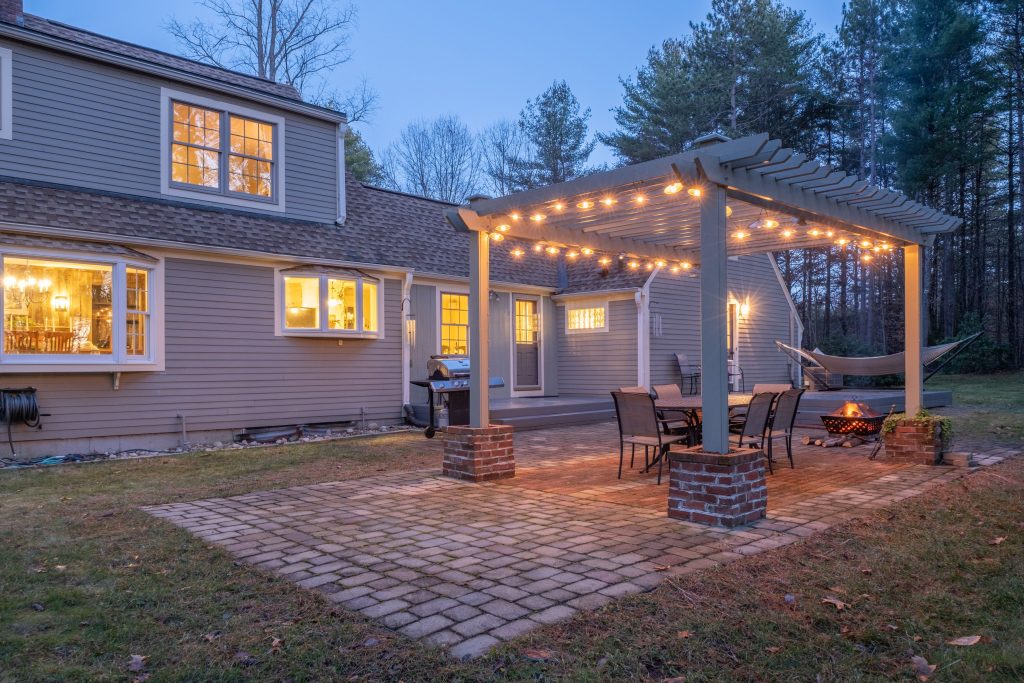
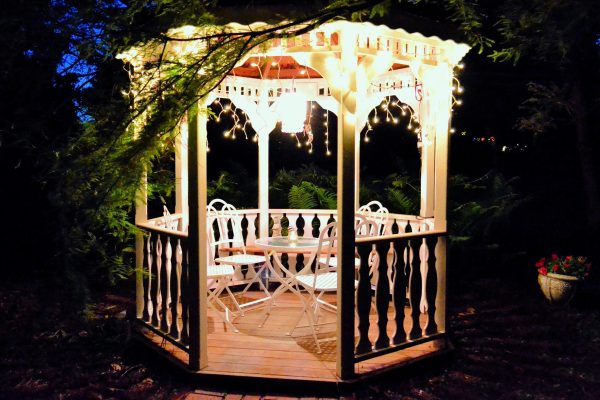
Summer in southwestern Ontario brings a natural desire to spend every open hour outdoors. Homeowners across the London area are busy transforming basic yards into comfortable retreats. You might be setting up a backyard office in a new shed or styling a quiet evening lounge inside a detached cedar gazebo.
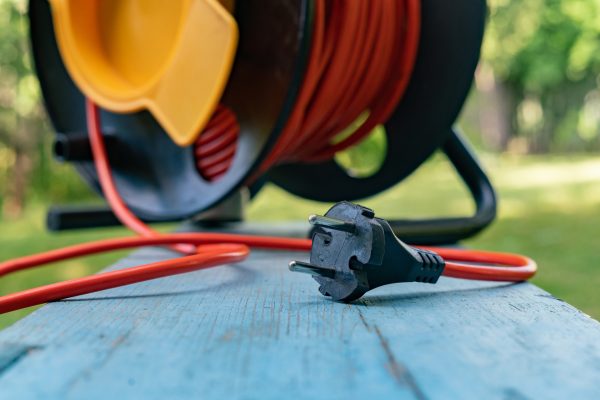
As you arrange the furniture, you quickly realize that modern comfort requires reliable utility access. Running a long orange extension cord across the lawn from your back patio outlet seems like an easy temporary fix. However, this setup creates immediate operational headaches and dangerous conditions for your family.
Ending the Extension Cord Nightmare in Your Yard
Relying on extension cords creates constant frustration and genuine physical hazards during busy summer months. Every time you need to cut the grass, you must unplug your equipment and roll up heavy cables.
The Hidden Hazards of Temporary Outdoor Power
Extension cords are strictly designed for short-term utilization. When left out in the elements, sun exposure degrades the plastic insulation while moisture slips into the connection points. Mower blades, family pets, and foot traffic can easily pinch or slice through the protective jackets.
These damaged areas expose live copper strands directly to damp grass, creating an immediate electrocution risk. Furthermore, drawing heavy currents through an undersized cord causes the wire to retain extreme heat. This thermal buildup can melt the surrounding vinyl casing and ignite dry yard debris or organic landscaping mulches.
Planning Your Permanent Backyard Power Supply
A permanent underground electrical system resolves these issues completely while preserving the visual beauty of your lawn. Burying your utilities keeps lines hidden safely beneath the earth, leaving your walkways clear.
This infrastructure upgrade changes how you utilize your property. You can install permanent climate control, run heavy power tools, or add decorative lighting arrays without tripping your indoor breakers. Creating a reliable grid system ensures your outdoor investments remain fully usable throughout the year.
Demystifying Ontario Trench Depth Requirements
The primary challenge of this project involves moving power across open soil safely. Homeowners often feel overwhelmed by the strict rules governing underground trenching and wire placement.
Rigid PVC Conduit Versus Direct Burial Methods
The Ontario Electrical Safety Code defines exactly how deep your power lines must sit to prevent accidental damage. If you choose to bury bare, direct-burial rated cable, your trench must measure at least 60 centimetres deep. This depth provides a thick layer of soil cover to shield the jacket from aggressive gardening tools and aerators.
Alternatively, you can run individual conductors inside rigid PVC conduit. The heavy plastic walls of the conduit offer excellent defense against impact, allowing for a shallower trench depth of 45 centimetres.
Every foot of conduit must be glued securely using certified solvent cement to prevent water from pooling inside the channel. A layer of clean sand should line the bottom of your trench before you lay down the pipes to prevent sharp rocks from cracking the plastic.
Navigating Hidden Utility Lines Safely
You cannot simply strike a shovel into your lawn without checking what sits beneath the turf. Homes across our region feature buried natural gas lines, communications wires, and water service pipes.
Hitting a gas line can cause catastrophic property damage and trigger expensive municipal emergency responses. You must contact Ontario One Call well before your project begins to request official utility locating services.
Technicians will visit your property to mark the paths of existing utilities with bright spray paint. This safety step is required by provincial law and ensures your new electrical trench bypasses active municipal lines cleanly.
Calculating Your True Outdoor Amperage Needs
Determining how much power to run to your outbuilding requires a clear look at your intended activities. Overlooking your peak usage can cause your breakers to trip constantly.
When a Single Circuit Suffices for Your Gazebo
If your gazebo only requires a few overhead bulbs and a phone charger, your needs remain relatively modest. A single 15-amp or 20-amp electrical circuit extended from your home panel is generally sufficient for basic structural support.
This simple feed provides plenty of energy to handle low-wattage devices and seasonal accent lights. It keeps your installation straightforward while completely eliminating the need for bulky exterior wires.
The Necessity of an Outdoor Subpanel Installation
If you are setting up a serious workshop in your shed, your power requirements change dramatically. Running a table saw, a dust collector, a mini-fridge, and an air compressor simultaneously demands a robust solution.
Attempting to run all of these items on a single household extension line causes immediate circuit strain. For these high-demand scenarios, planning a dedicated outdoor subpanel installation is the correct path forward.
A subpanel functions like a smaller version of your main home breaker box. It receives a heavy-gauge feed from your house and splits that power into several individual circuits inside the shed. This setup ensures that a tripped breaker in your workshop won’t plunge your main kitchen or living room into darkness.
Enhancing Your Outdoor Space with Proper Wiring
Once the main power feed reaches your outbuilding, you can focus on interior distribution and creature comforts.
Weatherproof Connections and Safety Outlets
Any outlet installed in an unconditioned structure like a shed or gazebo must feature a Ground Fault Circuit Interrupter (GFCI). GFCIs track the balance of electrical current moving through the circuit. If the device detects a leak caused by damp conditions, it cuts the power in milliseconds to prevent severe shock.
All exterior receptacles must sit inside a weatherproof outdoor electrical box fitted with a protective “while-in-use” cover. These plastic hoods shield the plug from driving rain even when a cord remains attached to the outlet.
With reliable circuits in place, you can design stunning outdoor features. You might want to accent your structural beams with beautiful fixtures or place custom planters around your walkways. For example, adding creative patio accessories like an anthropologie-inspired diy succulent planter looks incredible when highlighted by professional exterior lighting.
Professional Implementation and ESA Compliance
Outdoor electrical work is heavily regulated in Ontario for good reason. Water and electricity create lethal combinations when handled incorrectly by untrained DIY enthusiasts.
Every new underground run requires a formal permit from the Electrical Safety Authority (ESA). This process involves a meticulous review by a provincial inspector to confirm that your trench depth, wire gauge, and grounding connections comply with current laws.
Hiring a certified professional guarantees that these steps are handled perfectly. Our team focuses on safe residential systems to protect your family and preserve your property value. Discover how our specialized team supports projects across the region by visiting our dedicated residential electrical services overview.
Immediate Action Steps for London Homeowners
If you want to bring reliable power to your yard this summer, follow these steps to keep the project on track:
- List your devices: Write down every tool, light, and appliance you want to run in your shed.
- Calculate the distance: Measure the exact path from your main panel to the outbuilding to determine wire lengths.
- Submit a locate request: Contact Ontario One Call online to clear your digging paths.
- Design your lighting: Plan your fixture placements early by checking out our lighting installation options.
- Book a licensed professional: Connect with an experienced contractor to manage the permits, trench calculations, and final utility hookups safely.
Taking a structured approach prevents dangerous installation mistakes and ensures your backyard project stands up to years of winter freezes and summer storms. Reach out to J.D. Patrick Electric today to schedule an on-site consultation and build your backyard getaway safely.
FAQs
Can I use standard indoor wire inside an outdoor PVC conduit? No. Standard indoor wire like NMD90 is not rated for wet locations. Even inside a tightly sealed PVC conduit, condensation will naturally form over time. You must utilize specialized moisture-resistant conductors like RW90 or TW75 inside the pipe to prevent insulation failure and short circuits.
How do I protect my underground line from future digging accidents? Ontario safety standards specify that you must place a bright warning ribbon inside your trench. This distinct plastic tape sits roughly 15 centimetres above your conduit or cable. If someone digs in the area later, they will hit the warning tape first, alerting them to stop before slicing through live power lines.
What size wire do I need to run electricity to my backyard shed? The required wire gauge depends on the total amperage load and the distance from your main house panel. Long distances cause a drop in electrical pressure. While a 14-gauge wire can handle a short 15-amp run, a long run to the back of a deep property often requires thicker 12-gauge or 10-gauge wire to prevent performance issues.
Does running power to my gazebo require an ESA permit? Yes. Any new electrical installation, including burying an underground line and adding outdoor receptacles, requires a formal permit from the Electrical Safety Authority. This documentation ensures the installation is inspected, legal, and fully recognized by your property insurance policy.