We all love a good action movie where the hero rewires a control panel in seconds. Sparks fly across the screen, lights flicker dramatically, and the power comes roaring back just in time. It makes for excellent entertainment, but it builds some deeply incorrect assumptions about how electricity actually behaves in your home.
When movie physics meet real-world Canadian infrastructure, the gap between fiction and reality becomes a safety concern. Many homeowners in London, Ontario develop an understandable fear of the unknown because of these cinematic exaggerations. You might worry that a buzzing outlet means your home is minutes away from a massive explosion. Alternatively, you might assume that fixing a broken circuit is as simple as twisting two colorful wires together.
Real electrical systems are governed by strict physics and rigorous safety regulations. They do not behave like movie sets designed for controlled pyrotechnics. Understanding the difference between cinematic tropes and actual electrical mechanics can reduce your home stress. It will also help you protect your family from genuine property hazards.
Myth 1: Electrical Issues Always Spark or Explode Automatically
The Visual Drama of Screen Fires
In almost every thriller or horror film, an electrical failure involves blinding flashes, loud pops, and immediate fire. Directors use these effects because electricity is otherwise invisible. They need a clear visual cue to show the audience that something has gone wrong.
This constant cinematic display creates a specific kind of stress for property owners. Many people assume that if their home wiring is failing, they will receive a clear, loud warning sign. They wait for visible sparks before taking an issue seriously.
The Reality of Arcing and Internal Heating
In a real Canadian home, the most dangerous electrical problems are completely silent and invisible. An aging or poorly installed wire will not put on a fireworks show behind your drywall. Instead, it will slowly heat up over days, weeks, or months.
This process is known as electrical arcing. It occurs when an electric current jumps across a gap in a damaged or loose connection. This generating action creates intense heat that slowly chars surrounding wood studs and plastic insulation. By the time you notice a physical symptom, the hazard has already progressed significantly.
Instead of looking for bright flashes, homeowners must pay attention to quieter warning signs. A wall switch that feels warm to the touch, a faint burning plastic smell, or a persistent buzzing sound are all indicators of trouble. These subtle indicators require prompt intervention from a licensed electrician to prevent a localized fire.
Myth 2: Flipping a Tripped Breaker Instantly Fixes the System
The Basement Circuit Lever Trope
Think of any classic suspense movie where the lights suddenly cut out. A character walks down a dark staircase into a creepy basement, locates a massive iron handle on a dusty gray box, and slams it upward. The lights instantly blink back on, and everything is fine until the villain cuts the main line.
This trope convinces many people that a circuit breaker box is just a collection of manual switches. If a breaker trips, the automatic reaction for many is to simply flip it back on immediately without investigation.
What Your Electrical Panel Is Trying to Tell You
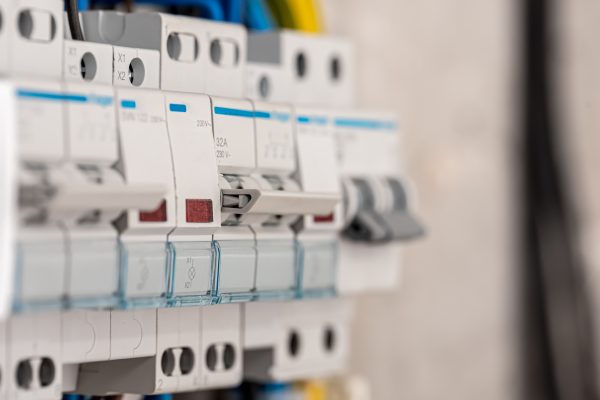
A modern electrical panel is an intelligent safety distribution network, not a simple mechanical light switch. When a breaker trips, it is not experiencing a temporary glitch. It is actively performing its primary safety function.
Breakers trip because a circuit is overloaded, or because a dangerous direct short circuit has occurred. If you instantly flip the switch back without resolving the root issue, the breaker will simply trip again to protect your home wiring. Repeatedly forcing a tripped breaker to reset can permanently damage the internal mechanism. This action can lead to catastrophic component failure or a sudden electrical fire.
If a specific area of your house consistently loses power, your system is telling you that its capacity has been exceeded. A professional evaluation can determine whether your home requires targeted balance adjustments or an immediate service panel upgrade.
Myth 3: Twisting Loose Wires Together Is a Quick, Safe Solution
The Action Hero Handy Fix
We have all seen the movie scene where an amateur fixes an electrical device by stripping two wires with their teeth, twisting the copper strands together, and wrapping it in standard tape. The device hums back to life, and the story continues smoothly.
This specific depiction fuels a dangerous mistrust of professional services. It encourages a DIY handyman mentality, making people believe that basic electrical repairs are intuitive and cheap.
Fire Hazards Caused by Loose Connections
Real residential wiring requires precise mechanical connections to remain safe under load. Simply twisting wires together by hand creates an unstable connection point with high electrical resistance. When current attempts to flow through a high-resistance point, it generates extreme thermal energy.
Standard electrical tape is not designed to contain that level of heat. Over time, the tape degrades, dry-rots, and falls away, exposing live copper conductors inside your walls. This creates an immediate shock hazard and an active ignition source.
Professional technicians use approved wire connectors, specific terminal torques, and junction boxes to secure every connection safely. This methodology ensures full compliance with the Ontario Electrical Safety Code. Attempting to bypass these standard installation steps to save a quick buck can compromise your entire property.
Myth 4: Knocked-Down Power Lines Turn Cars into Instant Fireballs
The Dramatic Final Destination Scenario
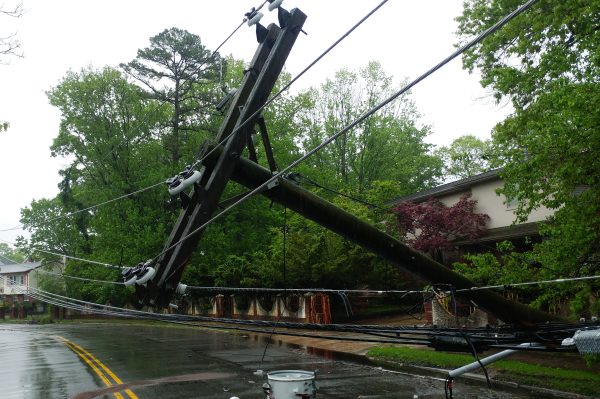
Hollywood loves downed power lines. When a storm knocks a utility pole over in a movie, the live wires dance across the pavement, throwing massive sparks. If a wire touches a vehicle, the car usually explodes or shocks the passengers inside immediately.
This specific imagery leads to extreme panic regarding fallen lines, causing people to make dangerous choices during actual local storm emergencies.
Understanding the Ground Gradient and Vehicle Safety
If a live power line falls onto your vehicle, the metal structure actually forms a protective barrier known as a Faraday cage. The electrical current travels along the outside conductive surface of the vehicle body and flows directly into the ground through the tires.
As long as you remain completely inside the vehicle without touching the outer metal skin, you are generally safe from direct shock. The real danger occurs if you attempt to step out of the vehicle. If you touch the metal frame and the ground simultaneously, your body becomes the path of least resistance for the electrical current.
To hear a fun, detailed breakdown of similar industry misconceptions, listen to this episode of The Sparky Life Podcast. Experienced professionals discuss exactly why tradespeople laugh at these dramatic screen blunders.
Myth 5: Generators Automatically Power a Whole House Without Management
The Seamless Power Transition Myth
When the grid goes down in a movie medical drama, the backup generator kicks on seamlessly. The lights flicker for a single second, and then every machine, light fixture, and HVAC system runs at full power without issue.
This gives homeowners a false sense of security regarding how backup generation systems actually interface with standard home wiring facts.
Safe Backfeed Prevention and System Loads
Portable and standby generators require specialized configuration to operate safely without endangering utility workers. You cannot simply plug a generator directly into a standard household wall outlet. This creates a dangerous condition called backfeeding, which sends high-voltage electricity backwards through your utility lines.
Safe generator deployment requires a professionally installed transfer switch. This mechanical device completely isolates your home from the main electrical grid before allowing generator power to enter the system. Furthermore, residential generators have specific load limitations. Trying to run your central air conditioner, clothes dryer, and hot tub simultaneously on a standard generator will stall the unit or damage your household electronics.
Spotting the Hidden Hazards in Your Southwestern Ontario Property
Why Professional Testing Trumps Visual Guesswork
Because real electrical issues do not look like Hollywood productions, you cannot rely on a visual self-check to determine if your home is safe. Hidden degradation, outdated aluminum wiring, and deteriorating insulation cannot be spotted without specialized diagnostic equipment.
Property owners often experience stress regarding invisible hazards because they lack the tools to measure system health accurately. Investing in professional electrical testing services removes the guesswork. Modern diagnostic tools can pinpoint high resistance, hidden shorts, and system imbalances before they turn into emergencies.
When to Call an Expert for Direct Assistance
If you live in an older property, or if you are planning to install modern high-draw appliances like an electric vehicle charger, scheduling an electrical inspection is a smart preventive measure.
Is your home experiencing any of these real-world symptoms?
– Warm switch plates or outlets
– Unexplained flickering when appliances start
– A faint, sweet, burning plastic odor near walls
– Breakers that trip more than once a month
Do not wait for a cinematic display of sparks to address these issues. A qualified licensed electrician can evaluate your panel, confirm local safety code compliance, and provide you with clear options to protect your home. Contact J.D. Patrick Electric today to schedule your comprehensive diagnostic evaluation.
FAQs
What should I do if my wall outlet starts making a buzzing sound?
A buzzing outlet indicates a loose wire connection or a failing internal contact point. Turn off the power to that specific circuit at your main breaker panel immediately and contact a professional to replace the outlet safely.
Why do my lights dim slightly when my air conditioner kicks on?
This symptom usually means the initial power draw of the appliance compressor is straining the local circuit capacity. It often indicates that your home needs a dedicated circuit for large appliances or a general panel upgrade.
Is it safe to reset a tripped breaker more than once?
No, if a breaker trips again immediately after you reset it, a direct fault or system overload is present. Forcing the switch back on repeatedly can cause permanent damage to the panel components and increases your risk of a fire.
How can I tell if my home has hidden aluminum wiring?
Homes built in Ontario between the late 1960s and late 1970s often contain aluminum wiring. An inspector can check your panel and junction boxes for the specific “AL” marking on wire jackets to confirm your system type.
Can I install a backup generator myself without an inspection?
No, connecting a generator directly to your home wiring without a certified transfer switch is illegal in Ontario. It violates safety codes and poses a severe shock hazard to utility workers servicing local power lines.