
If you own or manage an older building, you’ve probably had this moment: everything seems fine, then a weird alarm trouble signal pops up, a breaker trips for “no reason,” or a system check raises questions you can’t answer.
That uncertainty is stressful for a simple reason. You’re responsible for safety, but the electrical system has a long history you didn’t personally build. Past renovations, tenant changes, and quick fixes can leave behind hidden weak points.
This is where fire alarm wiring becomes a big deal. Life-safety systems don’t get a second chance. They need consistent power, reliable connections, and wiring that supports the system’s design.
The good news is you don’t need to guess. A practical plan that uses targeted testing and smart upgrades can reduce risk and prevent costly surprises.
Why older buildings face more fire alarm wiring risk
Renovations and “patchwork” electrical history
Older buildings often go through multiple renovations over decades. Suites get reconfigured. Walls move. New equipment is added. Sometimes the electrical work is updated carefully. Sometimes it’s patched to “make it work.”
Over time, that patchwork can affect life-safety reliability in ways that are hard to see without proper evaluation. In Ontario, electrical work is governed by the Ontario Electrical Safety Code, which sets installation standards and evolves as technology changes.
If you’re planning changes to wiring or devices, Ontario’s Electrical Safety Authority (ESA) also outlines the notification and inspection process (often thought of as permits and inspections) so work is done safely and legally.

Modern demand on older electrical systems
Even when a building’s fire alarm system is designed correctly, it still lives inside a bigger electrical reality. Older electrical services were not built for today’s load patterns. Between HVAC upgrades, office equipment, network gear, security systems, and tenant appliances, demand climbs quickly.
When electrical systems are stressed, weak points show up first as “odd” behaviour. Flickers. Trips. Intermittent device issues. Those are exactly the problems that building owners hate because they’re unpredictable.
Energy efficiency upgrades can also change a building’s electrical profile. As owners retrofit lighting and equipment, understanding energy performance and upgrade planning can help you modernize without surprises. Natural Resources Canada’s energy efficiency resources are a useful starting point for broader building improvement planning, especially when you’re aligning upgrades with long-term operating costs.
Where electrical testing services find common safety issues
You asked for common safety issues, so let’s get concrete. In older buildings, testing tends to reveal patterns that repeat.
Loose connections and heat-related failures
Loose or degraded connections are one of the most common “silent” risks in older electrical systems. They can cause heat buildup, intermittent power loss, or inconsistent behaviour under load.
For life-safety circuits, even short interruptions can create trouble signals or unreliable device performance. The issue isn’t always dramatic. It can look like a system that’s “mostly fine” until it isn’t.
A big advantage of professional testing is that it helps you find problems before they escalate into emergency calls or forced downtime.
Overloaded circuits and nuisance trips
Older buildings can end up with too much on a circuit because the space evolved, but the circuit plan didn’t. A new tenant adds equipment. A suite becomes a server-heavy office. A common-area upgrade adds load. The circuit stays the same.
This can lead to nuisance trips and voltage drops that ripple through devices. It’s especially risky when critical systems share circuits with non-critical loads.
Even basic public education sources emphasize that power strips and similar add-ons do not increase circuit capacity, and overloading can create hazards.
Grounding and bonding gaps
Grounding and bonding are foundational to electrical safety. In older buildings, grounding methods may be outdated, altered, or inconsistent due to renovations. Testing can uncover issues that don’t show up during day-to-day operation but matter during faults, surges, or abnormal conditions.
This connects directly to reliability for sensitive systems and equipment. If you’re modernizing panels, adding electronics, or expanding systems, grounding and bonding become even more important.
Power quality and sensitive system behaviour
Modern building systems behave like electronics, not just “electrical loads.” Fire alarm systems, networked panels, and controls can be sensitive to power quality events.
Surges are one common example. The Electrical Safety Foundation International (ESFI) notes that only surge protective devices (SPDs) protect against power surges, and that typical power strips are not the same thing.
That distinction matters in older buildings where expensive, essential systems are expected to work reliably.
The most common fire alarm wiring problems in older buildings
Now let’s tie it specifically to the keyword you’re targeting: fire alarm wiring.
In older buildings, the “most common” issues aren’t always about the alarm device itself. They’re about the wiring environment around it.

Inconsistent device power and “intermittent” faults
Intermittent problems are the worst. They’re hard to reproduce. They show up at inconvenient times. They make owners feel like they’re chasing ghosts.
Common causes in older buildings include:
- Connections that loosen over time due to vibration, heat cycles, or age
- Circuit stress that only appears when the building is under peak load
- Renovation changes where circuits were extended or rerouted without a clean system plan
- Power quality events that create unpredictable device behaviour
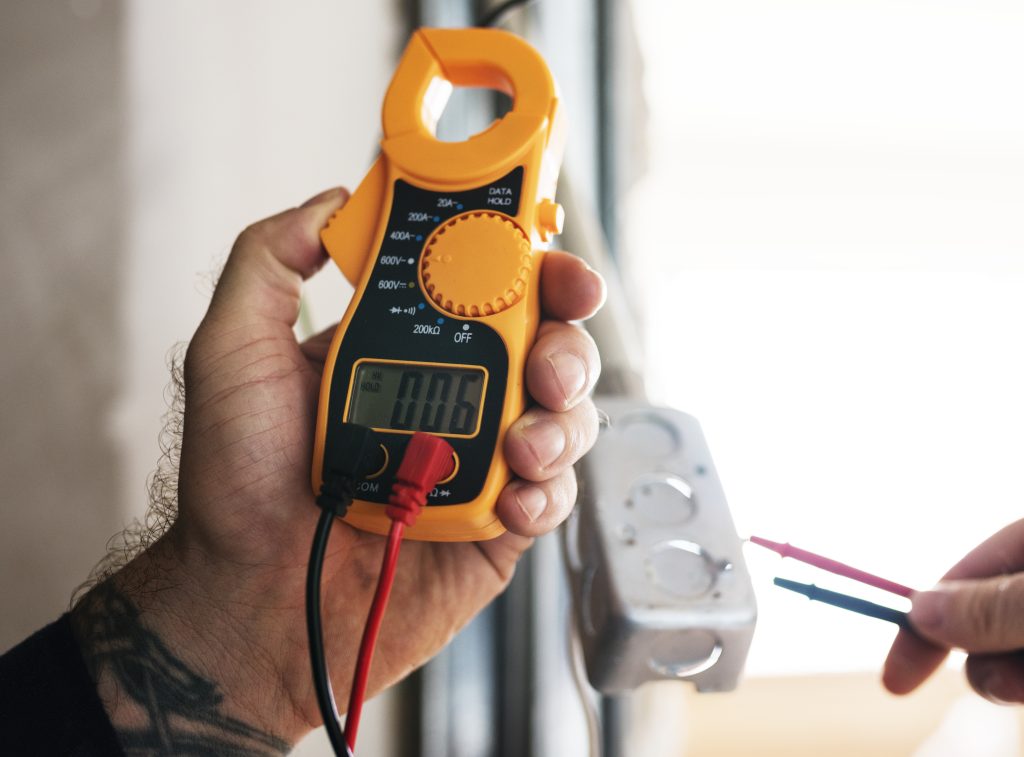
Electrical testing services help by turning “intermittent and mysterious” into “measurable and fixable.” It’s less about guessing and more about identifying where the system’s behaviour deviates from normal.
Circuit separation and shutoff awareness
A core life-safety principle is that critical systems should be dependable and not easily disabled by everyday shutoffs.
In residential contexts, Canadian electrical guidance includes requirements around smoke and CO alarms being supplied from a circuit that provides indication if shut off and having no disconnect between alarms and the overcurrent device.
You don’t need to memorize code rules to benefit from the idea: the wiring and circuit arrangement should support reliability and awareness. In older buildings, renovations can accidentally undermine that reliability if circuits get repurposed or combined.
Renovation changes that break reliability
Renovations are a common turning point. A building can run for years, then a remodel happens and suddenly there are new trouble signals, nuisance issues, or inconsistent device performance.
That’s not always because the renovation was “bad.” It’s because the electrical system is interconnected. When you change one part, you sometimes expose weakness somewhere else.
Ontario’s ESA provides guidance around notifications and inspections when electrical work involves new wiring or devices, or repairing/replacing old ones. That process helps ensure work is reviewed for safety and compliance.
What owners fear most and how to reduce surprises
Your audience pain points are clear: uncertainty, fear of big costs, and older systems trying to handle modern demand. Let’s address those directly.
Planning testing to avoid disruption
A common fear is that testing equals shutdowns and tenant disruption.
In practice, the best approach is scoped and scheduled. You prioritize critical areas. You test in phases. You plan around business hours or occupancy needs.
A good testing plan answers practical questions:
- Where are the highest loads and most sensitive systems?
- Which panels and circuits serve life-safety equipment?
- Are there known trouble spots (recurring trips, flickers, unexplained faults)?
- What changes are planned in the next 6–12 months that could affect load?
This turns testing into a planning tool, not a surprise generator.
Phased fixes instead of all-at-once projects
Owners often delay testing because they worry it leads to a massive, immediate project. A better mindset is phased improvements.
Many findings can be prioritized:
- Safety-critical issues first
- Reliability improvements second
- Capacity upgrades aligned with future plans
- Efficiency improvements as budget allows, especially when paired with broader building upgrades (NRCan’s energy efficiency resources can help frame those decisions).
Disclaimer: This article is general information, not legal or engineering advice. Requirements vary by building type, occupancy, and system design. Always use qualified, licensed professionals and follow applicable Ontario codes and inspection processes.
Practical next steps for safer buildings in Ontario
If you’re responsible for an older building, you don’t need perfect knowledge. You need a solid process.
Start with these practical moves:
- Identify recent symptoms: nuisance trips, flickers, intermittent trouble signals, unexplained device behaviour
- Document any renovations or tenant changes that may have altered load or circuit use
- Get the electrical system evaluated so you can separate “needs attention” from “needs immediate action”
- Plan upgrades in phases to reduce disruption and cost shocks
For J.D. Patrick Electric-specific next steps, you can send readers to the service that matches this blog’s intent, then give them an easy path to talk to someone.
Learn more about electrical testing support here: https://www.jdpatrickelectric.ca/services/electrical-testing/
And when you’re ready to discuss your building and timeline, contact the team here: https://www.jdpatrickelectric.ca/contact/
FAQs
What does fire alarm wiring have to do with electrical testing?
Fire alarm wiring depends on reliable power and solid connections. Electrical testing can uncover overloaded circuits, weak connections, grounding issues, and power quality problems that can affect system reliability.
Why do older buildings get more “intermittent” alarm troubles?
Older buildings often have layered renovation history and aging electrical components. Small issues like loose connections or circuit stress can show up as inconsistent faults that are hard to reproduce without testing.
Do I need to shut down my building for electrical testing services?
Not always. Testing can often be planned in phases, scoped to critical areas first, and scheduled to reduce disruption depending on building operations.
Can energy-efficiency upgrades affect electrical safety or system behaviour?
They can change electrical demand patterns and equipment loads. Planning upgrades with an understanding of building energy performance can help reduce surprises. NRCan’s energy-efficiency resources offer helpful context.
How do I know if my building should be inspected after renovations?
If renovations involved new wiring or devices, or repairing/replacing old ones, Ontario’s ESA outlines notification and inspection steps to help ensure work is safe and compliant.