
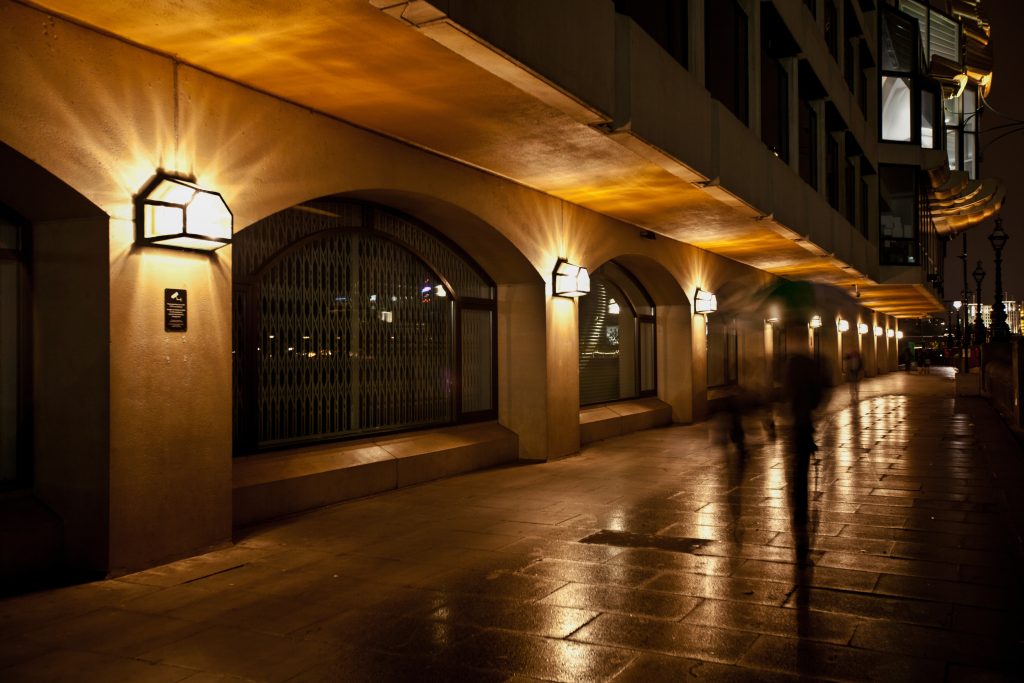
High utility bills, dark parking lots, and ongoing fixture outages put unnecessary strain on property managers and commercial building owners. Exterior illumination serves as the first line of defense against security risks while directly impacting your monthly operational budget. Upgrading legacy systems with modern commercial outdoor lighting solves these challenges, giving tenants, employees, and visitors peace of mind while keeping utility costs under control.
Solving Property Challenges with Commercial Outdoor Lighting
Managing commercial buildings or multi-residential complexes involves balancing budget constraints with tenant satisfaction. Aging metal-halide or high-pressure sodium wall packs run continuously overnight, drawing massive amounts of power. Transitioning to modern systems turns exterior spaces into safe, inviting environments without inflating overhead.

Lowering Utility Bills and Maintenance Demands
Legacy fixtures waste substantial energy as heat and deteriorate rapidly over time. Facility managers frequently arrange for specialized boom lifts just to replace ballasts and burnt-out bulbs on high poles or tall soffits. Moving to LED technology slashes electricity usage by up to 70 percent. These systems offer decades of reliable performance, freeing your maintenance team from constant repairs.
Stopping Resident Safety Complaints and Liability Risks
Unlit walkways, shadowy parking areas, and dark alcoves make residents and visitors feel vulnerable. Neglected grounds increase the risk of vehicle break-ins, vandalism, and slip-and-fall injuries. Strategic outdoor lighting installation eliminates dark spots across your property. Bright, uniform light gives security cameras clear sightlines and helps residents feel protected when returning home at night.
Meeting Ontario Codes and Regulations
Illumination is not just about aesthetics—it is a regulatory requirement. Property managers must comply with strict illumination levels set by municipal bylaws and the Ontario Building Code. Essential areas like exits, walkways, and stairwells must maintain specific light levels to pass safety inspections.
- Main building entrances must provide clear, glare-free visibility for safe entry.
- Emergency exit pathways must maintain reliable illumination, even during unexpected power loss.
- Common pedestrian corridors need consistent lighting without severe dark zones between fixtures.
- Outdoor systems must utilize proper shielding to prevent unwanted spill light onto neighboring properties.
Navigating these requirements demands experienced oversight to keep your complex fully compliant and protected from code violations.
Key Strategies for High-Performance Exterior Systems
A successful lighting upgrade requires matching the right hardware with intelligent system controls. Modern commercial lighting options offer tailored solutions for every corner of your property.
To see how modern designs transform commercial properties, review the latest trends in outdoor lighting for commercial spaces.
Choosing the Right LED Fixtures for Security
Selecting fixtures depends heavily on the specific application:
- Full-Cutoff Wall Packs: These direct light exclusively downward, eliminating harsh side-glare while casting even illumination along building walls and perimeter walkways.
- High-Mast Pole Lights: Ideal for expansive parking lots, delivering broad coverage so drivers and pedestrians can move safely.
- Vandal-Resistant Sconces: Durable fixtures designed for multi-residential entrances and lower exterior walls subject to high foot traffic.
- Architectural Accent Lighting: Subtle fixtures that highlight architectural features while maintaining ground-level visibility.
Targeting a color temperature between 3000K and 4000K creates clean, crisp visibility that enhances security camera footage without creating harsh glare.

Integrating Automated Lighting Controls
Manual switches and rigid mechanical timers fail to adapt as daylight hours change throughout the year. Outdated timing systems often leave properties dark during early evening hours or waste power by running past sunrise. Smart controls eliminate manual effort entirely.
- Photocells: Automatically turn fixtures on at dusk and off at dawn based on ambient light levels.
- Occupancy Sensors: Keep lights at a low baseline output, jumping to 100 percent brightness when motion is detected.
- Astronomical Timers: Adjust daily schedule programming based on geographic location and sunset times.
Outdoor Lighting Installation and Site Layout
Upgrading exterior fixtures requires careful site analysis. A complete redesign ensures every square foot of your property receives adequate light while avoiding light pollution.
Planning Parking Lots and Pedestrian Walkways
Proper spacing prevents bright spots followed by deep shadows. Our team evaluates your property layout to map out fixture locations, pole heights, and beam spreads. You can read more about selecting and fitting fixtures for your layout on our lighting installation page. Proper layout design ensures your exterior pathways, parking bays, and entry doors remain illuminated evenly all night long.
Managing Underground Cables and Infrastructure
Installing new lighting poles, bollards, or perimeter fixtures often requires adding underground branch circuits. Weatherproof conduit, correct trench depth, and durable wiring methods ensure long-term reliability against harsh freeze-thaw cycles. Discover how we safely install buried electrical lines on our underground wiring page. Solid underground infrastructure keeps your exterior lighting operational through heavy rain, snow, and ice storms.
Working with a Licensed Electrical Contractor
Commercial electrical upgrades involve complex high-voltage circuits, structural mountings, and strict safety guidelines. Hiring a Licensed Electrical Contractor guarantees that all notifications are properly filed with the Electrical Safety Authority (ESA) and completed according to the Ontario Electrical Safety Code.
J.D. Patrick Electric delivers comprehensive electrical solutions for commercial and multi-residential properties across Southwestern Ontario. From initial site assessment and rebate assistance to final ESA inspection, our certified electricians handle your project with skill and precision.
Contact J.D. Patrick Electric today to schedule a commercial lighting evaluation for your property.
FAQs
Why should I upgrade my commercial property to LED exterior lighting?
Upgrading to LED fixtures reduces energy consumption by up to 70 percent, drastically lowers ongoing maintenance costs, and delivers bright, clear light that improves site security and tenant safety.
What illumination levels are required for commercial walkways and entrances?
The Ontario Building Code mandates specific illumination standards for common pedestrian areas and building entrances. Entrances and exit pathways must maintain clear, uninterrupted lighting to ensure safe passage and code compliance.
How do automated controls lower energy bills?
Automated controls like photocells, motion sensors, and dimmers prevent lights from running at full power when areas are unoccupied or when natural daylight is available, preventing energy waste.
Is an ESA permit required for installing commercial outdoor lighting in Ontario?
Yes, most commercial exterior electrical work, fixture replacements, and new circuit runs require filing a notification with the Electrical Safety Authority (ESA). A Licensed Electrical Contractor must manage the work to guarantee safety and compliance.