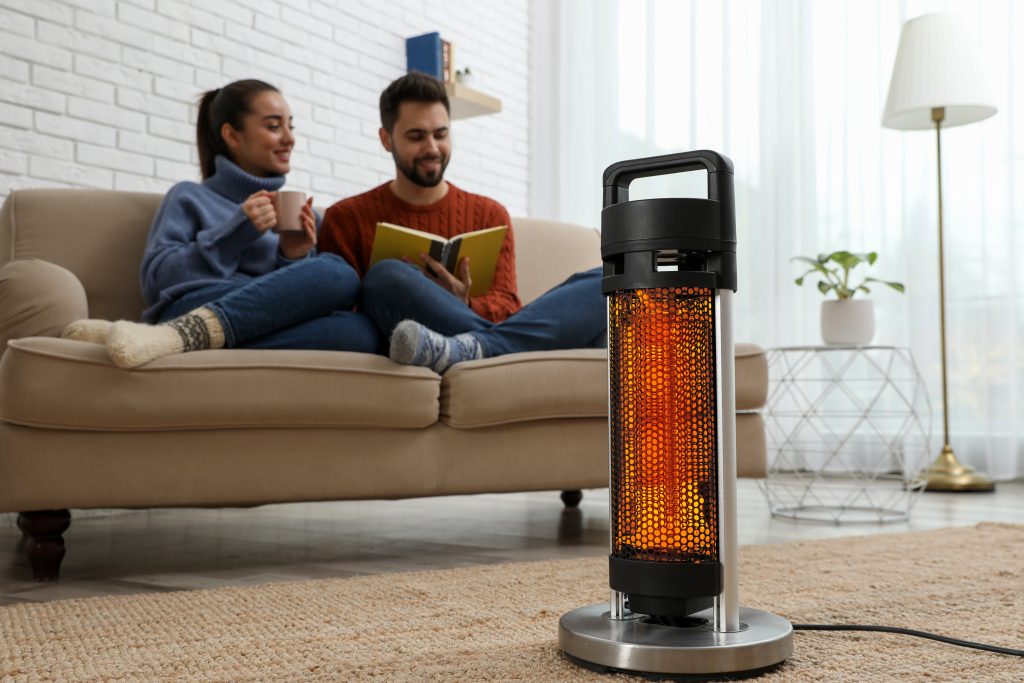
When autumn temperatures drop in Southwestern Ontario, cold spots in bedrooms, basements, and home offices become a daily nuisance. Many homeowners reach for a portable space heater as a quick solution to warm up chilly living areas.
Plugging in a portable unit often leads to immediate frustration. Within twenty minutes, overhead lights flicker, the power cuts off, and you must walk to the basement to reset the electrical breaker.
Repeated breaker trips indicate that your electrical panel is operating at its safety limits. Understanding why these appliances overload home circuits helps you protect your electrical wiring while keeping your living spaces comfortable.
Why a Space Heater Trips Your Circuit Breaker
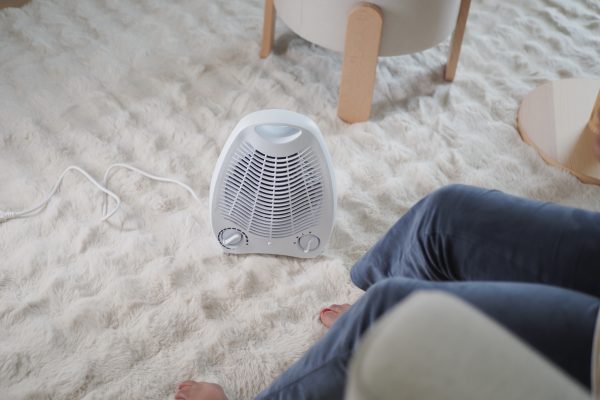
Circuit breakers are safety devices designed to stop electrical current when power draw exceeds safe wire limits. Understanding basic electrical loads explains why portable heating devices cause frequent interruptions.
Understanding Electrical Panel Amp Limits
Most standard residential branch circuits in Canadian homes are rated for 15 amps at 120 volts. Under the Canadian Electrical Code, a circuit should not carry a continuous load exceeding eighty percent of its maximum capacity for long periods.
- Standard 15-amp circuit safety limit: 12 amps (1,440 watts continuous load).
- Typical portable heater power setting: 1,500 watts (12.5 amps continuous draw).
- Remaining available capacity on circuit: 0 amps.
A single portable unit running on its high setting pushes a standard 15-amp circuit past its recommended continuous safety limit instantly.
The Dangers of Shared Branch Circuits
Household circuits rarely supply power to just one wall outlet. A single 15-amp breaker typically controls multiple wall receptacles, overhead light fixtures, and closet lights across an entire room or hallway.
- You plug a 1,500-watt heating unit into a bedroom wall receptacle.
- A family member turns on a television, desktop computer, or secondary lamp on the same circuit.
- Total power demand surges past 15 amps (1,800 watts).
- The bi-metallic strip inside the breaker panel heats up and trips to shut off power.
Resetting the breaker repeatedly without changing the electrical load weakens internal breaker mechanisms over time, increasing the risk of mechanical failure.
Electrical Safety Hazards of Portable Heating
Beyond the inconvenience of dark rooms, forcing heavy continuous loads through aging residential wiring creates serious safety risks. Portable heating equipment remains a leading cause of home fires during Canadian winters.
Thermal Resistance and Overheated Outlets
Older wall receptacles lose spring tension over years of use. Loose internal contacts create electrical resistance where the plug prongs meet the outlet.
When 12.5 amps of continuous current pass through a high-resistance connection, extreme heat builds up inside the electrical box.
- Wall outlet faceplates feel hot to the touch or appear discolored.
- Plastic plug casings show melting or warping.
- Electrical wall boxes emit faint burning plastic odors during operation.
- Receptacle slots show black soot or sparking marks.
If you observe warm faceplates or burning odors, unplug the unit immediately and stop using that outlet until it undergoes professional inspection.
Extension Cord Risks and Fire Hazards
Plugging high-wattage heating units into light-duty extension cords creates an immediate fire hazard. Standard household extension cords feature thin 16-gauge or 14-gauge conductors that cannot safely handle 12.5 amps over extended periods.
Excess current causes extension cord insulation to soften, degrade, and ignite surrounding carpets, curtains, or furniture.
Always plug heating units directly into a wall outlet. Never run cords under rugs, across doorways, or through heavy traffic zones where wires suffer physical pinching.

Financial Impact on Your Winter Hydro Bill
Relying on portable electric resistance units to warm drafty spaces causes significant increases in monthly utility expenses. Electric resistance heating converts current directly into heat, consuming substantial power every hour.
Running a single 1,500-watt unit for eight hours daily adds 12 kilowatt-hours of usage to your daily consumption.
Across a thirty-day billing period, one portable unit adds 360 kilowatt-hours to your statement. During peak winter Time-of-Use pricing windows, running multiple portable units rapidly increases household energy expenses compared to centralized or controlled zone heating.
Permanent Heating Alternatives for Cold Rooms
Rather than dealing with recurring breaker trips and elevated electricity bills, upgrading your electrical system provides safe, reliable warmth. Installing dedicated heating alternatives for cold rooms eliminates circuit overloads and improves home safety.
Dedicated 20-Amp Circuits for High-Draw Units
If you prefer using plug-in heating units in specific work areas, installing a dedicated 20-amp line solves overload issues completely. A dedicated line runs directly from the main electrical panel to a single heavy-duty outlet.
- Utilizes thicker 12-gauge copper wire rated for higher current capacity.
- Connected to an independent 20-amp circuit breaker.
- Prevents other household lights or electronics from sharing the power load.
Homeowners seeking dedicated line installations can review complete residential electrical services to ensure their panel capacity supports dedicated branch circuits.
Hardwired Electric Baseboard Heaters
Hardwired electric baseboard heaters offer an effective solution for room additions, converted basements, and cold bedrooms. Mounted along floorboards, baseboards use natural convection to draw cool air upward across heating elements.
Baseboard units operate on dedicated 240-volt circuits, drawing current across two hot legs to lower amperage draw.
Equipped with wall-mounted programmable thermostats, baseboards allow precise temperature control in individual rooms without wasting energy in unused spaces.
Fan-Forced Architectural Wall Heaters
Fan-forced wall heaters deliver rapid warmth for bathrooms, entryways, and home offices. Recessed directly between interior wall studs, wall units save floor space while circulating warm air quickly.
- Quiet internal blowers distribute heat evenly across living zones.
- Dedicated 120-volt or 240-volt hardwired connections eliminate loose cord hazards.
- Built-in safety cutoffs prevent units from operating if air intakes become blocked.
Planning professional electrical installation services ensures wall heaters receive correct wire sizing, proper box depth, and accurate breaker pairing.
Safe Everyday Ways to Keep Your Home Warm
Complementing hardwired heating upgrades with simple home maintenance habits keeps indoor spaces comfortable without overworking your electrical system.
You can explore these natural ways to stay warm this winter to lower draft impact through low-cost insulated window treatments and thermal door seals.
- Reverse ceiling fan rotation clockwise to push warm air downward from ceilings.
- Open south-facing curtains during sunny daylight hours to capture solar heat.
- Seal perimeter gaps around baseboards and window frames with draft-stopping insulation.
- Keep interior doors closed in unused rooms to concentrate heat where needed.
Combining proper building insulation with code-compliant electrical heating delivers maximum comfort and keeps operating costs predictable.
When to Call a Licensed Electrician
Electrical work involving main service panels, 240-volt circuits, and hardwired heating equipment requires certified expertise. Attempting DIY modifications on overloaded panels risks serious electrical shock and structural fire damage.
Contact a certified electrical contractor if you experience any of the following warning signs:
- Circuit breakers trip repeatedly even after removing high-draw appliances.
- The main breaker panel makes humming or buzzing sounds during high power demand.
- Wall receptacles feel hot, look scorched, or show loose internal contacts.
- Your main service panel lacks vacant breaker spaces for new dedicated lines.
A certified technician performs panel load calculations, verifies ground continuity, and ensures all installations meet Canadian Electrical Code safety guidelines.
FAQs
Why does my space heater trip the breaker after 15 minutes?
Portable units draw continuous heavy current that gradually heats the bi-metallic strip inside the breaker panel. If other electronics share that circuit, the total thermal buildup trips the breaker after a short operating window.
Can I use a space heater with an extension cord?
No. Standard extension cords cannot safely handle 12.5 amps of continuous current. Using thin cords leads to severe overheating, melted insulation, and electrical fire hazards.
Is a baseboard heater safer than a portable space heater?
Yes. Hardwired baseboard heaters operate on dedicated 240-volt circuits with proper wire sizing, eliminating loose wall outlet connections, tripping hazards, and cord overheating risks.
How many amps does a 1,500-watt space heater draw?
A 1,500-watt unit operating on a standard 120-volt household circuit draws 12.5 amps of continuous current, consuming nearly all safe capacity on a standard 15-amp circuit.
Can an electrician install a dedicated outlet for my heater?
Yes. A licensed electrician can run a dedicated 12-gauge wire from your main breaker panel to a single 20-amp outlet, allowing heavy appliances to operate without tripping shared room circuits.