

Winter ice storms and summer grid failures create immediate stress for homeowners. When utility lines drop, electric vehicle owners face a unique dilemma. Your car sits in the driveway with a depleted battery, public charging stations across town are dark, and your house has no utility power.
Many drivers assume an electric vehicle becomes useless the moment the power goes out. Others wonder if plugging their car into a household generator will destroy its expensive electronic brains. Understanding your options keeps your household mobile when the local grid fails.
Can You Charge an Electric Car During a Power Outage?
The direct answer is yes. You can charge your vehicle during a blackout, but the method you choose determines whether your car receives power or triggers an immediate safety shutdown.
Electric vehicles are high-tech mobile computers equipped with sophisticated Onboard Battery Management Systems (BMS). Unlike standard power tools or household lights, an EV continuously monitors the quality of electrical current flowing into its charge port.
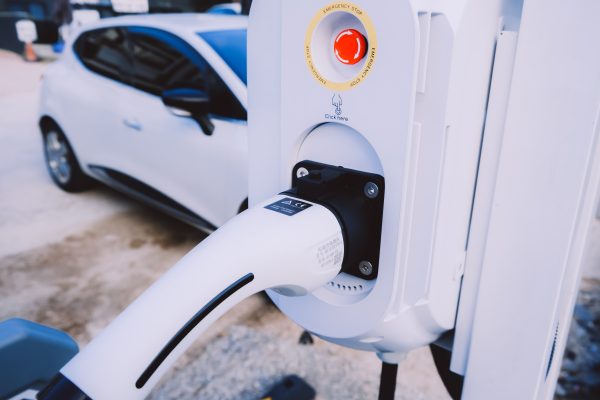
Understanding the Double Vulnerability of Grid Outages
When severe weather hits Southwestern Ontario, power failures often span entire municipalities. Public fast chargers rely on the same high-voltage distribution lines as residential neighborhoods. If your home loses power, commercial charging hubs nearby are likely offline as well.
This situation creates a double vulnerability for EV drivers. You cannot draw electricity at home, and you cannot drive to a nearby commercial station to fill up. Having a dedicated home backup strategy eliminates this dead end.
The Hidden Threat of Dirty Power and THD
Standard job site generators produce what electricians call dirty power. These basic fuel-powered units experience frequent voltage spikes, frequency drift, and high Total Harmonic Distortion (THD).
When THD levels exceed 5 percent, sensitive microchips inside your car’s charger struggle to process the signal. High distortion generates excessive heat in electrical circuits. To protect internal hardware, many vehicles display fault codes such as “Power Source Error” or “Grounding Fault” and refuse to accept current.
For detailed context on how vehicle components handle electrical current and thermal stress, review this technical guide on electric vehicle battery health and operation.
Comparing Backup Charging Options for Electric Vehicles
Not all backup power sources offer the same output quality or charging speed. Selecting the right equipment prevents damage to your vehicle and home electrical panel.
Portable Inverter Generators vs. Standard Gas Generators
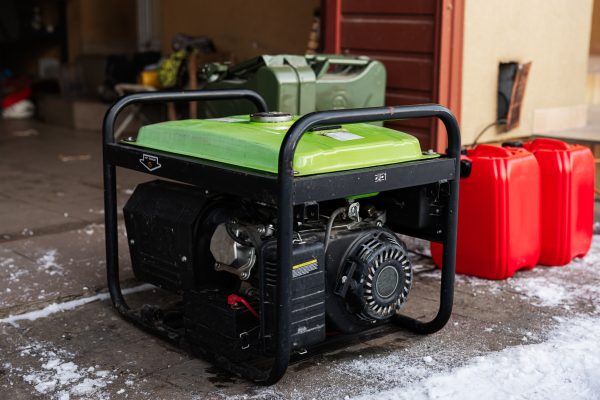
A standard open-frame gas generator should never connect directly to an electric car. These units lack voltage regulation circuits, exposing sensitive electronics to harmful electrical noise.
Inverter generators function differently. They convert AC electricity to DC, then invert it back into a smooth AC pure sine wave. This process produces clean electricity that mimics standard utility power, making portable inverter units safe for emergency Level 1 charging.
- Portable inverters add roughly 5 to 8 kilometers of driving range per hour of runtime.
- Fuel consumption remains high during extended operation, making this an emergency measure rather than a daily routine.
- Extension cords must be heavy-duty 10-gauge or 12-gauge lines rated for outdoor continuous draw.
Standby Generators and Smart Home Battery Storage
Permanently installed backup systems offer the most reliable path for charging during extended grid failures. Whole-home generators run on natural gas or liquid propane, starting automatically within seconds of an outage.
When paired with modern load management panels, a standby generator safely feeds a 240-volt circuit. This setup supplies continuous energy for a dedicated Level 2 EV charger without risking system overloads.
Key Electrical Requirements for Generator EV Charging
Connecting a high-draw appliance to an auxiliary generator requires precise electrical balance. Skipping technical safeguards risks equipment failure or safety hazards.
Neutral-Ground Bonding Requirements
Most electric car charging cables test the incoming circuit for proper grounding before allowing current transfer. Many portable generators feature a floating neutral design where the neutral wire is isolated from the frame.
When plugged into a floating neutral outlet, the vehicle detects an ungrounded system and halts charging. Standby generators wired through a transfer switch bond the neutral and ground conductors at your main panel, satisfying vehicle safety checks automatically.
Sizing Amperage and Load Management Needs
Level 2 charging stations draw substantial electrical power, often pulling 30 to 48 amps continuously. A standard 10kW generator cannot power central heating, kitchen appliances, and an unthrottled EV charger at the same time.
- Continuous load calculations must follow strict electrical code standards to prevent generator stalling.
- Smart energy management modules automatically shed or throttle EV charging power when major household appliances like heat pumps cycle on.
- Lowering charging current settings within your vehicle app down to 16 or 24 amps prevents generator overloads.
How to Safely Setup Emergency Backup Charging
Operating auxiliary power equipment requires strict adherence to safety steps to protect your household and utility lineworkers.
Step 1: Verify Power Output and Waveform Quality
Confirm your backup generator produces clean power with under 5 percent THD. Check manufacturer specifications to ensure the unit generates a stable pure sine wave before plugging in your charging cord.
Step 2: Establish Safe Physical Distance and Weather Shielding
Position portable gas generators at least 20 feet away from home windows, doors, and fresh air intakes. Never run a generator inside a garage or enclosed porch due to carbon monoxide hazards.
- Keep fuel-powered units on dry elevated surfaces using weather-rated protective covers designed for generator ventilation.
- Avoid running long, thin extension cords across wet driveways or snowbanks.
Step 3: Connect Through a Certified Transfer Switch
Never attempt to backfeed power into your wall outlets using double-male plug cords. Backfeeding energizes neighborhood power lines, posing fatal risks to utility workers repairing the local grid.
Connecting your equipment through an installed transfer switch isolates your home panel from the utility network. A professionally installed Generac generator system ensures seamless isolation and instant backup power delivery.
Long-Term Power Resilience for Ontario EV Owners
Extreme weather events continue to challenge electrical infrastructure across Canada. Preparing your home with reliable backup power ensures your transportation remains dependable during any emergency.
Combining a properly sized standby generator with smart Level 2 charging equipment gives you total energy independence. You maintain full climate control indoors while keeping your vehicle ready for unexpected travel.
Contact the licensed electrical team at J.D. Patrick Electric today to evaluate your home panel capacity and design a customized backup charging solution.
FAQs
Will charging my electric car with a generator void my battery warranty?
Using a generator will not void your warranty as long as the power source meets the voltage, grounding, and THD specifications outlined by your vehicle manufacturer. Using dirty power from uncertified conventional generators that causes component burnout can lead to denied warranty claims.
How many watts does a generator need to charge an electric car?
For basic Level 1 emergency charging at 120 volts, a pure sine wave inverter generator producing at least 2,500 running watts is required. For fast Level 2 charging at 240 volts, you need a standby generator capable of supplying 10,000 to 14,000 continuous watts alongside household electrical loads.
Can I plug my Tesla directly into a portable generator?
Yes, provided the portable unit is an inverter generator that supplies clean pure sine wave power and has a bonded ground. If the generator uses a floating neutral, your Tesla charging cable will display a red error light indicating a missing ground connection.
How long does it take to charge an EV using a backup generator?
On a portable inverter generator using Level 1 charging, expect to add about 5 to 8 kilometers of driving range per hour. A whole-home standby generator powering a Level 2 charging station can add 30 to 50 kilometers of range per hour, mirroring grid charging speeds.