Residential Electrician London Ontario: 5 Smart Fixes for Old Wiring
If you live in a home built decades ago, it’s normal to worry about your wiring. Maybe the lights flicker once in a while. Maybe an outlet feels warm. Or maybe you’ve seen cloth-covered wiring in the basement and wondered how safe it is.
These concerns make sense. Older electrical systems were not designed for today’s devices, appliances, or the loads that modern families use every day.
A residential electrician in London Ontario helps homeowners understand what’s happening behind the walls and upgrades wiring safely so your home stays protected.
Why Old Wiring Makes Homeowners Nervous
Homeowners often feel uneasy because old wiring can fail silently. Over time, wiring can become:
- brittle or cracked
- overheated from too many loads
- loosened at connections
- modified by past DIY work
- mixed with newer wiring in unsafe ways
ESA notes that aging electrical infrastructure and improper modifications are significant contributors to household electrical risks.
Even though ESA allows some older wiring to remain under specific conditions—such as certain knob-and-tube configurations—age, renovations, and increased demand often mean the system is no longer ideal or safe long-term.
What Old Electrical Wiring in London Ontario Can Hide
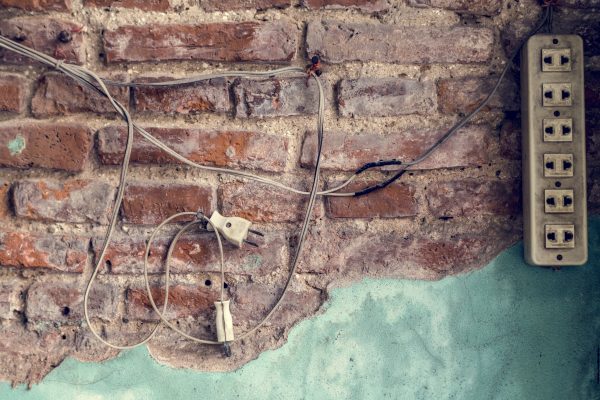
Older homes in London often have wiring installed 40, 60, or even 80 years ago. While it may have worked well when the house was built, time and modern usage take a toll.
Common types of older wiring in London homes
You may find:
- Knob-and-tube wiring (common before the 1950s)
- Two-wire circuits with no ground
- Early aluminum wiring from the 1960s–1970s
ESA explains that these systems can be safe if intact, properly maintained, and unmodified, but often they are no longer in their original condition—or meet modern expectations for safety.
Warning signs something is wrong
Call a pro if you notice:
- frequent breaker trips
- buzzing switches or warm outlets
- lights dimming when appliances run
- visible cracked or cloth-covered insulation
- two-prong outlets with no ground
- scorch marks or a burnt smell near outlets
These signs suggest the wiring is ageing or overloaded.
Smart Way #1: Start With a Whole-Home Safety & Wiring Assessment
Before any wiring is replaced or upgraded, a licensed electrician performs a whole-home safety assessment.
They review:
- your electrical panel and service size
- visible wiring in basements, attics, and crawlspaces
- grounding and bonding condition
- load distribution across circuits
- previous renovations or questionable DIY work
ESA encourages homeowners—especially in older properties—to have electrical systems assessed periodically, because small issues can grow over time.
This assessment gives you:
- a list of priorities
- a safe upgrade plan
- clarity on what requires ESA notification
- options for phased updates vs. larger rewiring projects
Smart Way #2: Update Circuits and Panels for Today’s Electrical Demands
Most older homes were built with fewer circuits and smaller service sizes. Today’s homes use:
- computers, monitors, gaming setups
- electric ranges
- microwaves and space heaters
- heat pumps and AC units
- EV chargers
- multiple televisions and smart devices
Panels and circuits that once made sense can become overloaded quickly.
A residential electrician may recommend:
- adding new circuits for major appliances
- redistributing loads to reduce tripping
- upgrading the electrical panel to modern standards
- ensuring grounding and bonding are up to Code
All new or modified wiring must meet Ontario Electrical Safety Code requirements. ESA oversees this process and requires notification (permit) for most wiring changes, though simple like-for-like replacements may not require one.
Planning panel and circuit upgrades aligns well with:
professional electrical installation

Smart Way #3: Replace Unsafe or Outdated Wiring the Right Way
This is the part homeowners worry about most—and for good reason. Replacing wiring is detailed work that must be performed safely.
A residential electrician replaces or repairs wiring when:
- insulation is cracked, dried, or chewed
- circuits are consistently overfused
- aluminum branch wiring has loose or overheated connections
- knob-and-tube circuits have been modified improperly
- two-wire circuits cannot safely support modern devices
What ESA says
ESA states that some older wiring can remain if in good condition, but any modifications or new wiring connected to old systems must meet the current Code. If old wiring no longer passes safety checks—or has been altered through generations of renovations—professional replacement becomes the safer choice.
Why replacement is often the safer long-term option
Even though ESA does not require all old wiring to be removed, homeowners often choose replacement because:
- old wiring was not designed for modern loads
- insurance companies may ask for upgrades
- unseen deterioration increases shock or fire risk
- upgrades improve the home’s resale value
Your electrician will remove unsafe sections, run new circuits, and install wiring rated for modern use—all while keeping power available to the parts of your home you still need.
Smart Way #4: Add Modern Protection (GFCI, AFCI, Grounding)
These safety devices act as your home’s “electrical safety net.”
A residential electrician may recommend:
- GFCIs in bathrooms, kitchens, outdoors, and damp locations
- AFCIs where arc-fault protection is required under the current Code
- proper grounding and bonding of circuits and metal boxes
- surge protection for sensitive electronics
ESA strongly highlights the importance of protection devices in reducing shocks and electrical fires, especially around damp or outdoor areas.
If your wiring is old or ungrounded, these protective upgrades become even more beneficial.
Smart Way #5: Upgrade Wiring During Renovations or Future Planning
The best time to replace wiring is when the walls are already open.
During renovations, electricians can:
- replace outdated wiring at the same time as drywall work
- add more outlets where your family uses them
- re-route circuits to match a new floor plan
- install wiring for future technology like EV chargers or heat pumps
- remove unsafe DIY wiring discovered during demolition
Because ESA requires notification for most modifications to wiring, your electrician handles permits and ensures the work passes inspection before it’s covered up.
This avoids future tear-outs and keeps your home safer for decades.
When to Call a Residential Electrician
Reach out if:
- your home still uses knob-and-tube or aluminum wiring
- breakers trip frequently
- outlets lack grounding or feel warm
- you’re planning a renovation or room addition
- you have concerns about insurance or resale
- you simply want peace of mind about hidden wiring
For help with assessments, wiring updates, installations, or safety questions, connect with the J.D. Patrick team:
contact J.D. Patrick Electric
Disclaimer: This article shares general safety information and should not replace on-site assessment from a Licensed Electrical Contractor or guidance from the Electrical Safety Authority (ESA).
FAQs
- Does all old wiring need to be replaced?
Not necessarily. ESA states that some older wiring, including knob-and-tube, may remain if it is undamaged, correctly fused, and unmodified. However, many homeowners choose to update it because of age, renovation plans, insurance concerns, and modern electrical needs. - Do I need a permit for wiring upgrades in Ontario?
Most wiring modifications require an ESA notification (permit). Simple like-for-like replacements may not. A licensed electrician can confirm whether your specific project requires one. - What are the risks of keeping very old wiring?
Common risks include overheating, faulty grounding, arcing, loose connections, and insulation deterioration. These conditions raise fire and shock potential. - Does aluminum wiring always need to be replaced?
No. ESA states aluminum wiring can be safe if properly connected and maintained; however, poor connections or mixed metals can cause overheating. Many homeowners choose upgrades for peace of mind or insurance approval. - 5. How can I tell if my wiring is unsafe?
Signs include tripping breakers, buzzing outlets, discolouration, visible damage, or two-prong outlets. Only a professional assessment can confirm the full condition.