Older properties across Southwestern Ontario were built during a time when households ran a television, a refrigerator, and a few light bulbs. Back then, a 100-amp electrical service panel provided more than enough power.
Today, modern living looks completely different. High-efficiency heat pumps, hot tubs, induction cooktops, and electric vehicles push older 100-amp systems to their absolute limits. If your main breaker trips when you turn on the air conditioner while running the clothes dryer, your home is signaling that its power capacity is tapped out.
Upgrading your electrical service doubles your capacity, protects delicate electronics, and ensures your home stays safe. Here is everything you can expect during a 100 amp to 200 amp upgrade in London, ON.
Why Upgrade to a 200-Amp Electrical Panel?
A main service panel acts as the traffic controller for all incoming electricity from the grid. When demand exceeds capacity, breakers trip to protect wiring from overheating.
Upgrading to 200 amps gives your home the necessary headroom to handle concurrent high-draw devices without overloading circuits or flickering lights.
Powering High-Demand Appliances
Adding heavy power drawers to a 100-amp panel often leads to load calculation failures. Level 2 EV charging stations require dedicated 40-amp to 50-amp circuits on their own.
- Electric Vehicle Charging: Level 2 chargers draw heavy continuous loads overnight. Drivers researching charging options can review navigating electric vehicle choices to understand continuous load needs.
- All-Electric Heating and Cooling: Central heat pumps demand significant startup wattage during extreme summer heat or winter cold spells.
- Outdoor Comfort Systems: Backyard hot tubs and swim spas often demand dedicated 50-amp subpanel connections.
- Kitchen Remodels: Modern induction ranges and commercial-style wall ovens demand more dedicated branch circuits than older resistance stoves.

Satisfying Ontario Home Insurance Requirements
Insurance carriers across Ontario keep strict standards regarding residential power systems. Aging breaker boxes or fuse panels carry elevated risks of electrical fires.
Many insurers refuse policy renewals on older properties operating on 60-amp or burdened 100-amp panels. Completing a verified panel upgrade removes red flags during property appraisals, home sales, or policy renewals.
What Is the Cost to Upgrade from 100 Amp to 200 Amp Service?
Homeowners often express concern over unexpected project fees. In London, Ontario, the cost to upgrade from 100 amp to 200 amp service generally falls between $2,500 and $4,500+.
| Project Scope Component | Estimated Investment Range (CAD) | Key Variables |
| Basic Panel Swap | $2,500 – $3,200 | Existing meter base and service mast meet modern standards; minimal circuit extending required. |
| Full Service Upgrade | $3,200 – $4,500+ | Includes new 200A meter base, updated service entry cables, grounding, and mast replacement. |
| Underground Conversion | Varies by site | Requires trenching or conduit work for buried utility lines coming from the street. |
Factors That Influence Your Quote
Every property layout is different. A clear, itemized quote accounts for several site-specific details:
- Overhead vs. Underground Service Lines: Overhead wires running from utility poles are simpler to access. Underground line upgrades require ground preparation and heavy-gauge direct-burial cable installation.
- Meter Base Replacement: Upgrading to 200 amps requires a heavy-duty meter enclosure that meets current London Hydro standards.
- Main Panel Location: Moving a panel out of a tight closet or bathroom to meet safety clearance codes adds wiring and labor hours.
- Code Corrections: Fixing ungrounded outlets, correcting double-tapped breakers, or adding Arc-Fault Circuit Interrupters (AFCIs) during the swap ensures code compliance.
Homeowners can review options for expanding power capacity on our electrical panel upgrades page.
What to Expect on Installation Day: Step-by-Step
Fear of extended power interruptions is common among homeowners. Fortunately, a professional service upgrade follows a streamlined, highly organized schedule that minimizes disruption to your routine.
Step 1: Utility Disconnect by London Hydro
Work starts early in the morning. A line crew from London Hydro arrives at your home to pull the electrical meter or disconnect service lines at the overhead weatherhead or pad-mounted transformer.
This safely cuts high-voltage power feeding into your main panel. Once lines are clear, your electrical crew begins safely dismantling the old equipment.
Step 2: Panel Tear-Down and Hardware Installation
With power isolated, electricians replace old components with modern heavy-duty hardware:
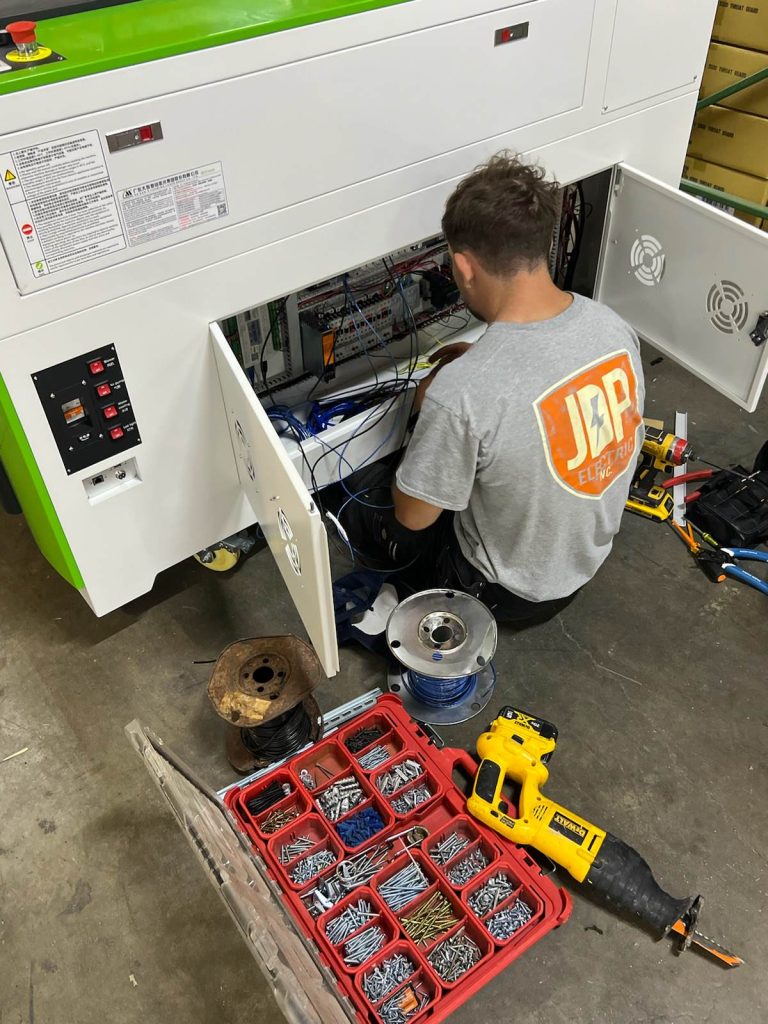
- Tearing Down Old Gear: Electricians remove the 100-amp main breaker, old distribution busbar, and exterior meter socket.
- Mounting the 200-Amp Breaker Box: A brand-new enclosure is anchored securely to wall framing with clear working space.
- Upgrading Service Cables: Larger gauge copper or aluminum conductors run from the outdoor meter down into the main disconnect.
- Land & Bond Grounding: Updated copper grounding wire runs directly to your main water service pipe and external grounding rods to manage surge spikes.
- Circuit Transfer: Every individual branch circuit wire gets tagged, trimmed, and connected to matching new circuit breakers inside the fresh panel.
Step 3: ESA Inspection and Power Reconnection
Once wiring is complete, a local inspector from the Electrical Safety Authority reviews the work. The inspector verifies wire gauges, grounding continuity, breaker sizing, and panel clearances.
After approval, the inspector issues a connection authorization to London Hydro. Utility workers re-attach service lines, lock the meter into its new base, and restore grid power. Your electrician tests every outlet and appliance circuit before wrapping up.
Managing Power Outages and Daily Routine Interruptions
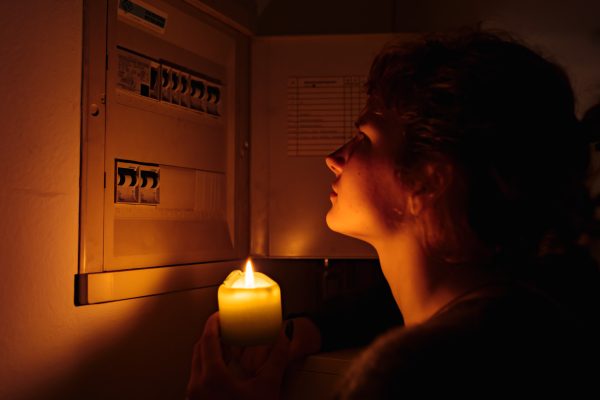
Your electricity stays off for approximately 4 to 8 hours on installation day. Planning ahead keeps your household running smoothly during the shutoff window:
- Protect Refrigerated Food: Keep refrigerator and freezer doors closed. Unopened units retain safe cooling temperatures for 4 to 6 hours.
- Secure Remote Work Needs: Charge laptops, phones, and portable battery packs the night before. Home internet routers will not function without power unless running on a backup supply.
- Manage Climate Control: Heat or cool your home slightly beyond your normal target temperature right before the morning shutoff.
- Garages and Gates: Disengage electric garage door openers so you can manually operate doors if you need to leave during the day.
Ontario Codes, Permits, and ESA Compliance
In Ontario, electrical work is strictly regulated to protect homeowners and prevent fire hazards. Installing a main service panel is never a weekend DIY project or something to hire an unlicensed handyman to handle.
By law, residential panel upgrades must be performed by a Licensed Electrical Contractor (LEC). Your contractor files an official notification of work with the Electrical Safety Authority before starting the job.
Following installation and inspection, you receive an official ESA Certificate of Acceptance. Keep this document in your records as proof of compliance for insurance providers and future home buyers.
If you bought an older property or feel unsure about your current wiring conditions, schedule an inspection through our electrical inspection service page.
FAQs
How long does a 100 amp to 200 amp panel upgrade take?
The physical work on site takes roughly 6 to 8 hours to complete. Power stays shut off for 4 to 8 hours while electricians swap panels, upgrade service entry conductors, and obtain ESA inspector approval for London Hydro reconnection.
Will upgrading to a 200-amp panel increase my monthly hydro bill?
No. An electrical panel upgrade changes your available power capacity, not your energy consumption. You are only billed for the power your appliances actually draw. Modern breaker panels run cooler and offer better efficiency, which can reduce waste.
Can I add a subpanel instead of upgrading my main service panel?
A subpanel creates extra physical space for new breaker switches, but it does not add total amperage to your home. If your total electrical draw exceeds 100 amps, adding a subpanel will not prevent your main breaker from tripping. A full service upgrade is required.
Do I need to upgrade my utility service wires from the street?
In many cases, yes. Upgrading from 100 amps to 200 amps requires thicker service entry conductors between the utility hookup and your meter base. Your contractor coordinates with London Hydro to confirm if overhead or underground supply lines need adjustment.
How do I know if my current panel is only 100 amps?
Check the main breaker switch at the top or bottom of your panel. It usually features a stamped number such as 100, 125, or 200. If your main switch reads 100 or lacks a single main shutoff, ask a licensed electrician to perform a load calculation.
Power Your Home Safely with J.D. Patrick Electric
Upgrading your electrical service is an investment in your home’s safety, capacity, and future resale value. Our team of fully licensed, insured electricians makes panel upgrades simple, transparent, and stress-free for homeowners in London and Southwestern Ontario.
We handle every detail—from initial load calculations and ESA permitting to utility coordination with London Hydro.
Ready to future-proof your electrical system? Contact J.D. Patrick Electric today at (519) 615-4228 or visit our online contact page to request a detailed panel upgrade estimate!