
Electrician London Ontario: 4 Smart Outdoor Lighting Safety Tips
Outdoor lighting can make your home safer and more welcoming, but only when it’s installed correctly. In London, Ontario, our weather changes fast — rain one day, frost the next. Wiring, fixtures, and outdoor receptacles all take the full impact of moisture, cold, and physical wear.
That’s why outdoor lighting projects often benefit from the experience of an electrician London Ontario homeowners trust. The right installation reduces safety risks, avoids unnecessary repairs, and helps your lighting hold up year-round.
Here are four smart safety reasons to call a licensed pro before starting your next outdoor lighting project.
Why Outdoor Lighting Needs Extra Attention
Many homeowners assume outdoor lighting is simple — swap a fixture, plug something in, or run a line along the fence.
But outdoor electrical work must stay safe while exposed to:
- moisture
- freeze-thaw cycles
- UV exposure
- movement from wind and branches
- corrosion
Even small mistakes can cause shocks, repeated breaker trips, or early equipment failure.
The good news? A licensed electrician helps you make the right decisions without guessing about Ontario electrical rules or putting your home at risk.
1) Reduce Shock & Fire Risks in Wet, Variable Weather
Moisture is the biggest reason outdoor lighting requires specific installation techniques. Any wiring or equipment exposed to rain, snow, or damp surfaces must be protected so electrical current stays where it belongs.
Why outdoor wiring differs from indoor wiring
Indoor wiring is kept dry and protected inside finished walls. Outside, everything changes. Outdoor installations need:
- weather-resistant boxes and covers
- sealed connections
- appropriate cable or conduits
- proper grounding
- correct fixture ratings (damp-rated or wet-rated depending on the location)
Outdoor receptacles often require GFCI protection, which helps prevent shock in damp or wet areas. Hard-wired outdoor lighting typically follows different requirements, but fixtures must still be rated for the environment and installed with approved wiring methods.
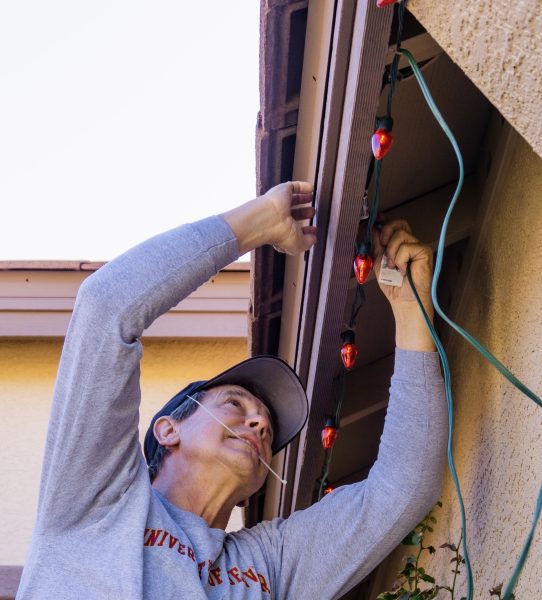
What a pro checks before installing lighting
A licensed electrician considers:
- whether a GFCI is required
- how exposed the wiring will be
- load on the existing circuit
- whether a dedicated outdoor circuit is safer
- if current equipment is outdated or unsafe
Instead of tying outdoor lights into a random indoor circuit, the electrician ensures the design can handle weather conditions and electrical load, reducing both fire hazards and inconvenient breaker trips.
2) Meet ESA Rules Without Guesswork
One of the biggest homeowner pain points is simply not knowing when a project needs an ESA permit (called a “notification”). Ontario’s Electrical Safety Authority oversees the Ontario Electrical Safety Code, and requirements vary depending on the type of work.
When outdoor work may require an ESA permit
These projects usually require a notification:
- adding a new outdoor circuit
- adding new receptacles or wiring outside
- installing new underground wiring
- modifying wiring in ways that change the electrical system
- adding outlets for landscape lighting, pergolas, or detached structures
These jobs create new electrical paths or increase load, so the ESA wants to ensure the work meets Code and is inspected when required.
When simple replacements may not require a permit
If a homeowner is replacing an existing outdoor light fixture with a similar one, and not altering the wiring or circuit, the ESA typically does not require a notification for this type of like-for-like replacement.
However, this depends on:
- whether wiring is altered
- whether the fixture type changes
- environmental classification (damp vs wet location)
Because Code is detailed and situation-specific, this is where a pro’s guidance is invaluable.
How a licensed electrician London ON handles compliance
A licensed electrician London ON will:
- determine whether your specific project requires a permit
- file the ESA notification if needed
- install equipment to Code
- ensure GFCI or weather-rated components are used where appropriate
- arrange inspection when required
This eliminates the risk of unintentional violations and gives you proper documentation for insurance or resale.
If you’re planning a project, it helps to talk to experts early:
professional lighting installation
3) Stop Wasting Money on Short-Lived Lighting
DIY outdoor lighting may seem budget-friendly, but many homeowners end up spending more over time because the installation isn’t built to last.
Common DIY issues
Homeowners often run into problems when they:
- use indoor-rated fixtures or boxes outdoors
- assume all lights can be “plug and play”
- overload a circuit
- leave connections exposed to moisture
- bury extension cords (a major safety hazard)
- install fixtures not rated for wet or damp locations
These issues lead to outages, corrosion, and premature equipment failure — especially in London’s winter conditions.
Upgrades that last
Licensed electricians select components that stand up to weather and daily use, including:
- LED fixtures with long lifespans
- weather-rated junction boxes
- proper in-use receptacle covers
- moisture-resistant wiring or conduit
- photocells, timers, or smart controls
- load-balanced circuits
- fixtures installed with the correct mounting methods
You also avoid paying twice for the same job — once for DIY work, and again when it fails.
For multi-upgrade projects, you can streamline everything through:
electrical services in London & area
4) Improve Safety, Security & Long-Term Value
Outdoor lighting affects more than looks. It’s also an important part of home safety, security, and future resale value.
Lighting design that actually works
Professionals understand how to balance function and aesthetics:
- avoiding glare on walkways
- placing fixtures where they won’t be hit by shovels or lawn equipment
- selecting the right beam spread for steps or driveways
- highlighting entry points for visibility
- avoiding overlighting (wasted energy and poor curb appeal)
This creates a safer, more secure home after dark.
Why proper documentation matters
Buyers and insurers may ask for proof that electrical work was completed safely. ESA-documented work helps show:
- installations were done by a licensed contractor
- components meet Code
- underground or exterior wiring was inspected when required
- no unsafe DIY modifications exist
If you want clear general guidance on outdoor electrical safety, this ESA resource is useful:
https://esasafe.com/safety/
Quick Outdoor Safety Checklist
Before adding or updating lights, check:
- Are existing outlets protected from weather?
- Is the wiring visibly damaged or corroded?
- Do fixtures have the correct damp- or wet-location rating?
- Are circuits already tripping indoors or outdoors?
- Do you know whether your project requires an ESA permit?
- Are you replacing existing fixtures or adding new wiring?
If you’re unsure, bring in a professional before moving forward.
When to Call an Electrician in London Ontario
Reach out to an electrician in London Ontario when:
- you’re adding new outdoor circuits or receptacles
- breakers trip in damp weather
- fixtures flicker or show rust or moisture
- wiring will be underground or on exterior walls
- you want to integrate lighting into a larger landscape design
- you’re concerned about older wiring quality
A licensed electrician helps you avoid hazards, stay code-compliant, and get reliable lighting that looks great and lasts longer.
FAQs
- Do all outdoor lighting projects in Ontario require an ESA permit?
No. Many new installations do, but like-for-like fixture replacements may not. When wiring is modified or new circuits are added, a permit is typically required. A licensed contractor can confirm your specific case. - Do all outdoor lights need GFCI protection?
Not always. GFCI protection applies to most outdoor receptacles, especially those within 2.5 m of grade. Hard-wired outdoor lighting follows different requirements but must still be weather-rated and installed to Code. - Are LED fixtures better for outdoor lighting?
Yes. LEDs last longer, handle temperature swings well, and use less energy — making them ideal for outdoor spaces. - How do I know if my wiring is rated for outdoor use?
Outdoor wiring methods are different from indoor wiring. A pro will check for proper conduit, cable rating, sealing, and grounding. - 5. Can bad outdoor lighting affect home value?
Yes. Unsafe wiring or missing permits can raise concerns during inspections, while well-designed, code-compliant lighting improves perceived safety and curb appeal.